Hey everyone, if you’ve ever dabbled in flexible packaging—whether you’re a brand owner looking to protect your snacks, pharma packaging folks needing sterile blisters, or someone just trying to wrap their head around the materials that keep products safe—you’ve probably heard two terms thrown around a lot: rollstock film and cold form film. As someone who’s been supplying rollstock film for over a decade, I get how easy it is to mix these two up, especially if you’re new to packaging specs. And no, it’s not just a “they’re both plastic” difference—there’s actual, practical stuff that changes how you use each, what they cost, and whether they’re right for your product. Let’s break this down like we’re chatting over a coffee, no stuffy industry jargon that makes your eyes glaze over. Rollstock Film
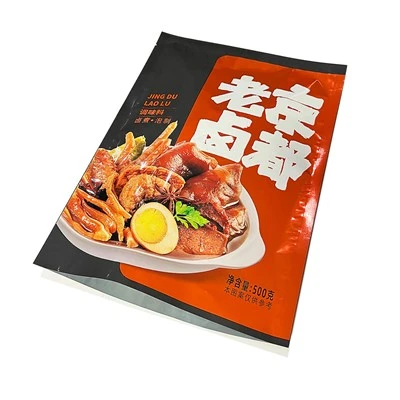
First, let’s start with the basics because a lot of people don’t even know what each term actually means in plain terms. Rollstock film, for anyone new, is basically a big, continuous roll of thin plastic (or sometimes a mix of plastics and even paper) that’s printed, slit into narrower widths, and then used to make bags, pouches, or lidding on packaging lines. Think of it like a giant roll of Saran wrap, but way more durable and tailored to whatever you’re packaging. You run this roll through a machine that seals it, cuts it, and turns it into the final package right there on your production line. It’s flexible, smooth, and most of the time, it’s designed to be sealed to itself or another material without needing too much extra work.
Cold form film, on the other hand, is a totally different animal. It’s not just a flat, flexible film you use for pouches—this stuff is engineered to stretch into deep, custom cavities (think of little blisters or trays) without heating it up. You know those blister packs for medicine, or even snack bars that have a raised, molded section holding the product? That’s cold form film. Unlike regular plastic that would crack or tear if you tried to stretch it into a deep shape cold, this film is made with specific layers that let it deform evenly, no heat required. That’s the “cold form” part—no pre-heating, no extra energy step, just a mold and pressure to shape it into whatever you need.
Now, let’s get into the real differences that matter for your business, not just definitions. Let’s start with material structure, because that’s where the core differences live. Rollstock film is usually a multi-layer laminate, right? Like, you might have a layer of polyethylene (PE) for sealing, a layer of polyester (PET) for strength, and maybe a layer of aluminum foil for barrier against light or oxygen. The key here is that all those layers are bonded together to be flat and flexible—no intent to stretch them. The thickness varies, but most rollstock is between 12 and 100 microns, depending on if it’s for a candy pouch or a heavy-duty industrial bag. Also, it’s super consistent in thickness because it’s designed to feed smoothly through high-speed packaging lines.
Cold form film? It’s also a laminate, but the outer layer (the one that’s molded) is a specialty material called a barrier coextrudate, or sometimes a specific blend of nylon and EVOH (ethylene vinyl alcohol) that’s stretchable. The inner layer is usually a thin foil or another barrier layer, and the backside is a sealant layer. The big trick here is that the molding layer has to stretch up to 50% of its original size without failing. That means it’s thicker overall, usually 150 to 300 microns—way thicker than most rollstock. Why? Because if you’re making a deep blister, you need the extra thickness to hold that shape without collapsing. If you tried to stretch a regular rollstock film that thin, it would thin out too much, get weak, and tear. I’ve seen a customer try that once for a vitamin blister pack—wasted 2 rolls of material before they realized they needed cold form.
Next, the manufacturing and on-line use, because that’s where you’ll feel the biggest difference. Rollstock is super versatile in terms of what it can do. You can print elaborate designs on it (which is why you see those fancy snack bags with cartoon characters or nutrition facts), you can make it stand up, gusseted, resealable—whatever you need. It runs on almost any vertical form-fill-seal (VFFS) or horizontal form-fill-seal (HFFS) machine. The only time you might need a special setup is if it’s a super thick rollstock, but for the most part, it’s plug-and-play with standard equipment. And because it’s flat, cutting it and sealing it is straightforward—no extra steps needed.
Cold form film is way more finicky in use. It only works with specialized cold form packaging lines that have a mold station. You feed the flat roll into the machine, and a punch presses a shape into the film (cold) to make the cavity, then you load your product into that cavity, and then you seal a lidding film (usually another rollstock or a cold form top layer) over it. If you run cold form on a regular rollstock line, it won’t work—you’ll get uneven molding, tearing, or the cavities will collapse. Also, the cold form process means you have to account for “draw ratio” when you’re designing your product. That’s just industry speak for how much you’re stretching the film. If your cavity is too deep, you might have to upgrade to a thicker cold form film, which adds cost. I had a medical device customer a while back who needed a 10mm deep cavity for a syringe—we had to recommend a 250 micron cold form film because the 180 micron one would stretch too thin and not protect the syringe.
Barrier performance is another big one, especially if you’re packaging sensitive products like pharma or electronics. Rollstock film can have great barrier, but it’s dependent on the layers. If you need high oxygen or light barrier, you’d use a foil-laminated rollstock. But foil-laminated rollstock isn’t moldable—period. If you try to stretch it, the foil will crack, and that ruins the barrier. So for products that need both a custom molded cavity and high barrier, cold form is the way to go. The specialty layers in cold form film are designed to stay flexible even after molding, so the barrier doesn’t break. That’s why cold form is the gold standard for blister packs of prescription drugs—they need to keep moisture and oxygen out, and the molded cavity protects the pill from being crushed.
Cost-wise, this is probably the first thing you’ll ask. Rollstock is cheaper per unit area, hands down. Because it’s thinner, uses less material, and is manufactured in larger volumes for common applications. A 50 micron rollstock pouch for candy might cost a few cents each, while a cold form blister for a pill could be 10-20 times that. But wait—don’t just look at upfront cost. If you’re packaging something that needs a molded shape (like a small tool, a vitamin, or a medical device), using rollstock would mean you have to make a pouch that’s bigger than the product, which wastes space and material. Cold form fits exactly around the product, so you use less overall material even if the per-unit area is higher. That’s the tradeoff I always explain to customers—calculate total cost, not just the material price.
Flexibility in design is another point. Rollstock gives you way more options for custom finishes. You can have matte, glossy, metalized, even transparent. You can add resealable zippers, tear notches, window panels—all easy to integrate into the rollstock during manufacturing. Cold form? The molded surface is usually matte, because the stretching process creates a non-glossy finish. You can’t add a window to cold form easily, because you need a transparent layer, and molding a transparent layer evenly is way harder. So if you want a fancy package that stands out on a store shelf, rollstock is the way to go. Cold form is more functional, less aesthetic.
Wait, let’s also talk about common use cases, because that’s where it all clicks. When would you use rollstock? Pretty much everything that’s a flat or basic shape: snack bars, coffee bags, cereal pouches, clothing poly bags, frozen food packaging. If you can pick up a flexible bag that’s smooth, no raised blister, it’s almost certainly rollstock. Cold form is for products that need a molded cavity to protect them: pharmaceuticals (blister packs), small electronics (like credit cards or sensors in blisters), medical devices (syringes, implantable parts), even some confectionery like filled chocolates that need a shaped cavity to hold the filling.
I want to share a quick example from work to make this real. Last year, a craft chocolate brand reached out to me because they were using rollstock to package their mini chocolate bars. They kept having issues with the chocolate getting scuffed during shipping, because the flat pouch let the bars move around. They tried thicker rollstock, but that made the bags too rigid, and they still had scuffs. I suggested cold form film: we molded little half-circle cavities that fit exactly around each mini bar, so the chocolate was held tight, no movement. They switched, and their customer complaints about damaged chocolates dropped by 80%. But if they’d needed a fancy printed stand-up pouch for retail display, we’d have gone back to rollstock—cold form can’t handle the same high-quality printing as rollstock, so their shelf appeal would have suffered.
Another common misconception: people think cold form is always for high-end or medical products, but that’s not true. Some snack brands use cold form for unique shaped treats, like cookies that need a molded nest to prevent breaking. But for most everyday products, rollstock is more than enough.
Now, let’s clear up some myths. A lot of people think “cold form = better quality” and “rollstock = cheap”. No, that’s not right. Rollstock is high-quality for what it’s designed for—it’s just not for molding. Cold form is specialized, so it’s better for molded shapes, but you don’t use it for a potato chip bag, because there’s no need for a molded cavity.
Another myth: you can convert rollstock into cold form. Nope, as I mentioned before, regular rollstock doesn’t have the stretchable layers. If you try to stretch it, it will tear or the barrier will fail. I’ve had a few customers ask if they can repurpose leftover rollstock as cold form—never works. Save yourself the hassle, just use what’s made for the job.
So how do you choose between them? Let’s make a quick checklist, since I know that’s helpful:
- Do you need a molded cavity to hold or protect your product? If yes → go cold form. If no → rollstock is fine.
- Do you need high-quality, detailed printing or custom features like zippers/windows? → rollstock is your pick.
- What’s your product’s sensitivity? If it needs extreme barrier (pharma, electronics) and a molded shape → cold form is the only option. If it just needs basic barrier → rollstock works.
- What’s your budget? If upfront cost is your top priority for a simple package → rollstock. If you need protection for a fragile or shaped product, calculate total cost (material + shipping waste) because cold form might be cheaper overall.
At the end of the day, I’m a rollstock supplier, but I’m not here to push my product on you if it’s not the right fit. I’ve had customers come to me looking for cold form, and I send them to a cold form specialist because I know my stuff. The worst thing you can do is use the wrong material for your product—you’ll end up with damaged goods, unhappy customers, and wasted money.
If you’re still not sure which one is right for your packaging, just reach out. We can chat through your product, your line setup, and what you need the packaging to do. No sales pitch, just straight talk about what works. Let’s figure out the best solution for you, not the one that makes me the most money.
Home & Personal Care Packaging Solutions References:
- Flexible Packaging Association. (2022). “Understanding Flexible Film Types and Applications.” FPA Technical Guide.
- European Plastics Converters. (2021). “Cold Form Films: Manufacturing and Performance Specifications.” EuPC Industry Report.
- The Packaging Society. (2023). “Material Selection for Flexible Packaging: A Practical Guide.” TPS Technical Bulletin.
- Rollstock Film Manufacturers Association. (2022). “Best Practices for Rollstock Selection and Use in Form-Fill-Seal Lines.” RFMA Guidelines.
Qingdao Senlida Packing Co., Ltd.
Qingdao Senlida Packing Co., Ltd. is one of the most experienced rollstock film manufacturers and suppliers in China since 1995. With a professional production team, we are able to meet the needs of the majority of our customers. Please feel free to buy high quality packing products at competitive price from our factory.
Address: No.299 Feichao Road, Luwang Town, Huangdao District, Qingdao, Shandong Province, China.
E-mail: liuxh@qdsenlida.com
WebSite: https://www.senlidapacking.com/
