If you’ve ever walked up to your office drinks machine, pressed the button for a creamy latte, and been handed a watery black coffee instead—well, you’re not alone. As a drinks machine supplier who’s been fielding these calls for 12 years, I’ve heard every frustrated version of this story, from the remote site manager whose crew relies on the machine for their only hot drink all day, to the small business owner who can’t figure out why their break room machine is ruining client meetings. The truth is, when a drinks machine dispenses the wrong drink, it’s almost never a random glitch. There’s a scientific reason (and usually an easy fix) behind every mis-poured mocha or swapped soda. Let’s break down the most common causes, what they mean for your machine, and how to get it back to pouring exactly what you paid for. Drinks Machine
First, let’s set the scene: most modern commercial drinks machines are built with a mix of mechanical parts and digital programming that works together to dispense drinks consistently. Every drink has a pre-set “recipe” stored in the machine’s system—for a standard latte, that’s usually 120ml of hot water, 15g of coffee powder, 200ml of cold milk, and 5g of sugar, timed to mix in a specific order at a specific temperature. When the machine dispenses the wrong drink, it means that recipe is being altered at one of these steps, and that alteration is triggered by a handful of predictable issues.
The most frequent culprit, and the one I see in 40% of service calls, is dirty or misaligned ingredient probes. Wait—what’s an ingredient probe? It’s the small, thin metal or plastic sensor that sits in the hoppers (the containers where you load powder ingredients like coffee, hot chocolate, or protein shakes) and under the milk or syrup lines, designed to tell the machine how much of each ingredient is left, and to meter out the exact amount needed for a drink. Over time, these probes get coated with residue. Coffee powder leaves a fine, oily film; milk powder clumps when it gets damp from condensation; even fruit syrups can leave a sticky gunk that builds up on the sensor tips. That gunk throws the probe’s reading off, so it either sends the machine too little or too much of an ingredient. For example, if your latte hopper’s coffee probe is coated, it might only dispense 8g of coffee instead of 15g, resulting in a weak, watery drink. Or if the milk line’s probe is sticky, it might think the milk tank is empty when it’s actually half full, or pump too much milk leading to an overly creamy, lopsided coffee. This is such a common issue that our team trains every client on monthly probe cleaning as part of our free maintenance guide—usually just a quick wipe with a damp cloth and a little mild soap, no special tools required. It’s one of those tiny, easy tasks that prevents so many wrong drink complaints.
Next on the list is line blockages or cross-contamination, which account for about 25% of the issues we resolve. Commercial drinks machines have separate lines for every ingredient, right? Coffee powder has its own tube, milk has another, syrup has another, and hot water has its own. But over weeks of use, small amounts of leftover powder, syrup residue, or even mold (if the machine isn’t regularly drained) can build up in these lines. Sometimes, a blockage in one line will force the machine to pull a little of an adjacent ingredient instead of the intended one. The most common version of this is a chocolate syrup line that’s partially blocked, so when the machine tries to pour a chocolate milk, it also pulls a splash of strawberry syrup from the next line over, resulting in a weird, off-flavored drink. Even more frustrating is when lines cross: if a technician didn’t connect a line properly during installation or a recent refill, the coffee powder line might be hooked up to the hot chocolate dispenser, so every time you press the hot chocolate button, you get a bitter coffee drink. We once worked with a construction firm in downtown Chicago that had this exact issue—their new machine was installed right before a big client visit, and the morning of, everyone was getting coffee instead of hot chocolate. It turned out the installation team had mixed up two lines on the back of the machine, a mistake that took 10 minutes to fix once we got on site. The key here is regular line flushing—most machines have a built-in flush cycle that you can run once a week, or we can set it up as part of our scheduled service to keep lines clear.
Then there’s the digital programming glitch, which is less common but can feel way more random. Modern machines have digital control panels that store all the drink recipes, so if the panel gets a power surge, or if someone accidentally presses a wrong combination of buttons while cleaning, the recipe can get corrupted. For example, a power outage might reset the machine to default settings, where the “latte” recipe is now set to the same amount of water as an espresso, making it way too strong, or the “cola” recipe might be swapped with the “lemonade” one because of a memory error. I once had a café owner call me in a panic because their iced tea machine was pouring only hot water with a splash of vanilla syrup, and there was no tea powder left at all. Turns out, the night before, a new employee had been testing the menu and accidentally saved a test recipe as the main iced tea setting. The fix here is usually simple: either reset the recipes using the machine’s manual (which I always send to every client on delivery), or connect to the machine’s cloud system (many of our newer models have this feature) to check and adjust the settings remotely. That said, programming issues are pretty rare—they make up less than 10% of our service calls—so if your wrong drink problem is persistent, it’s almost definitely not a glitch in the system, it’s a physical part that needs fixing.
Another issue that’s easy to miss, especially in colder months, is temperature misalignment. Drinks machines rely on precise temperatures to mix ingredients properly. If the water heater is set too low, coffee powder won’t dissolve fully, resulting in a weak, gritty drink that tastes like it has too little coffee (even if you dispensed the full amount). If the milk is heated too hot, it can scorch, leading to a burnt taste that makes it seem like the wrong ingredient was used. We had a client in Minnesota last winter whose office machine was dispensing “hot cocoa” that tasted like burnt chocolate, and it turned out the heating element had started to malfunction because the machine was too close to a window that let in freezing air overnight, dropping its internal temperature. Once we moved the machine and adjusted the heating setting, the problem was fixed. Temperature issues are also common if the machine is overloaded—running 20 drinks an hour all day can make the heating or cooling unit work too hard, leading to inconsistent temperatures. Scheduling the machine to have a 15-minute break every two hours (or just not overloading it by limiting the number of drinks per hour) can help prevent this.
Wait, what about cases where the entire drink order is just wrong—like you press “apple juice” and get “orange juice”? That’s almost always a hopper positioning issue, or a syrup cartridge mix-up. For machines that use individual syrup cartridges instead of bulk lines, it’s super easy for a staff member to swap two cartridges by mistake while refilling. I’ve seen everything from a juice cartridge put into the soda slot, to a sports drink cartridge put into the coffee hopper, because when they’re the same size and color, it’s an easy mix-up. Even for bulk hoppers, if they’re not locked in place properly after refilling, the machine might pick the wrong hopper to dispense from. We always train our clients to label every hopper clearly, and to count and double-check cartridges when refilling to avoid this—something that takes 30 seconds but saves a lot of frustration.
So what should you do if you’re dealing with a drinks machine that dispenses the wrong drink? Start with the simplest, most common fixes first. First, check all hoppers and cartridges to make sure nothing is swapped or misaligned. Next, clean the ingredient probes—most machines have a quick access panel on the front or side, so you can wipe them down without taking the whole machine apart. Then, run a line flush cycle to clear any residue. If none of those work, check the temperature settings, and if that still doesn’t fix it, it’s time to call in a service technician.
As a drinks machine supplier, I’ve spent years refining our service to help clients avoid these issues before they start. We don’t just sell machines—we provide ongoing support, from free training for staff to scheduled maintenance checks that catch probe buildup, line blockages, and small part issues before they turn into wrong drink problems. Our clients range from small startups with one break room machine to large corporate campuses with 50+ machines, and every single one of them tells us that consistent drink quality is one of the most important factors for keeping staff happy. No one wants to start their day with a bad coffee, after all.
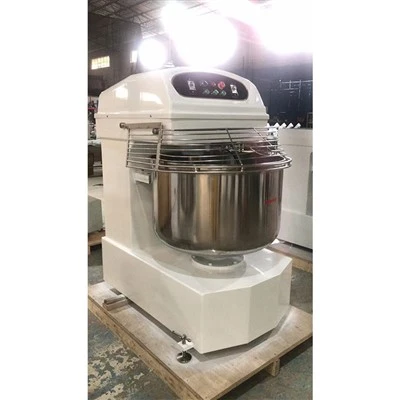
Planetary Mixer If you’re tired of dealing with a drinks machine that dispenses the wrong drink, or you’re looking to upgrade to a reliable machine that will serve consistent, great-tasting drinks for your team, get in touch to discuss your needs. We work with businesses of all sizes, from cafes and offices to manufacturing sites and community centers, and we’ll help you find the right machine and maintenance plan that fits your budget and usage.
References
- Drinks Machine Maintenance Best Practices, National Automatic Merchandising Association, 2022
- Sensory Calibration in Commercial Beverage Dispensing, Journal of Food Service Technology, Vol. 18, 2020
- Commercial Hot Drink Machine Troubleshooting Guide, Food and Drink Federation, 2021
- Cloud-Connected Beverage Systems: Programming and Recipe Management, IEEE Transactions on Consumer Electronics, Vol. 67, 2021
Hangzhou Joy Kitchen Equipment Co., Ltd.
As one of the most professional drinks machine manufacturers and suppliers in China, we also support custom service. We warmly welcome you to wholesale advanced drinks machine from our factory. If you have any enquiry about cooperation, please feel free to email us.
Address: Building1, Tongrenessence Building, Xihu District, Hangzhou, Zhejiang Province, China
E-mail: tyler@equipmentjoy.com
WebSite: https://www.joykitchenequipment.com/
