If you own a 4×4 or AWD vehicle, odds are you’ve never thought much about your transfer case—until something starts going wrong. As someone who’s been in the transfer case supply game for over 10 years, I can’t tell you how many times customers bring their rigs into the shop complaining about random clunks, weird noises, or poor power delivery, only to find out they were ignoring a low fluid level. Transfer case fluid isn’t just “miscellaneous car goop”—it’s the lifeblood that lets your 4×4 switch between 2WD, 4HI, and 4LO without grinding or damaging internal parts. When it runs low, problems don’t just pop up overnight; they creep in slowly, which is why a lot of people brush them off as “normal wear and tear” until it’s too late. Let’s break down the real, telltale signs of low transfer case fluid, no stuffy textbook jargon, just what I see in my shop every single week. Transfer Case

First, let’s get a quick refresher on what the transfer case does, because if you don’t know its job, you won’t grasp why low fluid messes everything up. Your engine sends power to your transmission, which then splits that power to the front and rear axles. The transfer case sits right between those two, acting like a middleman: it adjusts how much power goes to each axle, and lets you shift between two-wheel drive (for regular road driving) and four-wheel drive (for mud, snow, off-roading). It’s full of gears, bearings, and even a chain (in most passenger vehicles) that spins to move power around. All those metal parts rub against each other, and transfer case fluid does three key jobs: it lubricates those parts to prevent grinding, cools the unit to keep it from overheating, and seals out dirt and moisture that can rust everything from the inside out. If there’s less fluid than it should be, none of those jobs get done right.
Now, let’s start with the earliest, most easy-to-miss symptom: weird, inconsistent noises when shifting into 4WD. I can’t tell you how many times a customer has said, “It only grinds when I put it in 4LO, so I just don’t use 4LO anymore.” That’s the exact kind of small problem that turns into a big, expensive repair. When transfer case fluid is low, the gears or chain don’t have enough lubrication to mesh smoothly. Instead of clicking into place like it should, you’ll hear a high-pitched whine right after shifting, or a clunk that feels like a small jolt under your feet. Sometimes it’s subtle—you might not even hear it while driving, just feel it through the shifter or the steering wheel. A lot of people blame the transmission, but transmission fluid problems usually show up in 2WD too, not just when you switch to 4WD. Another common noise here: if you hear a constant whine at highway speeds, like a faint jet engine under your car, that’s often the chain (in chain-driven transfer cases) being starved of fluid. I’ve seen this turn into a broken chain hundreds of times—once that breaks, you’re stuck in 2WD, and that’s a tow truck bill you don’t want.
Next up, slow or unresponsive 4WD engagement. Let’s say you hit a patch of ice, and you flip your switch or turn your dial to 4HI, expecting your front wheels to lock in right away. Instead, nothing happens for 2 or 3 seconds—maybe 5 or 10. That’s not just “old gearbox”; that’s low transfer case fluid. The fluid is what builds pressure inside the transfer case to engage the front axle. If there’s not enough fluid, that pressure can’t build fast enough, so the shift is delayed or, in extreme cases, never happens at all. I had a customer last winter who got stuck in a snow bank because his 4WD wouldn’t engage—turns out his transfer case was half-empty. He’d been checking his oil every month, but forgot about the transfer case, which only needs a fluid change every 30k to 60k miles (depending on your vehicle, but way less frequent than engine oil). Even worse, sometimes the 4WD will engage randomly when you don’t want it to—like if you’re driving on dry pavement and your front wheels lock up for no reason. That’s a sign the fluid is too low, so the pressure inside the case is uneven, causing the engagement mechanism to flip on its own. That’s a huge safety hazard, especially at highway speeds.
Then there’s leaks—obvious, but easy to ignore. Transfer case fluid is thick, usually a dark red or brown color (different from transmission fluid, which is often bright red). If you see a puddle under your vehicle, right where the transmission meets the rear axle, that’s the transfer case. Low fluid almost always starts with a small leak—maybe a loose seal, a cracked housing, or a damaged gasket on the drain plug. People often wait to fix leaks because “it’s just a little fluid, right?” But transfer case fluid doesn’t refill itself; if it’s leaking out, the level keeps dropping, and the damage gets worse. I’ve seen a transfer case seize up completely because of a tiny leak that no one bothered to fix for six months. The gears and bearings seized solid, and the only fix was a full replacement—which costs way more than patching a leak and topping off fluid. One quick tip: if you’re checking your fluid, make sure you use the right type—using the wrong fluid (like engine oil or regular transmission fluid) will cause its own set of problems, even if the level is correct.
Overheating is another big one, especially if you do a lot of off-roading or tow heavy stuff. Transfer cases generate a lot of heat from all that spinning gears, and the fluid is the only thing cooling it down. If it’s low, the heat builds up fast. You might notice a burning smell when you’re driving up a steep hill, or a warning light on your dash (though not all vehicles have a transfer case temp light, which is a bummer). If you’re off-roading, you might feel a loss of power because the transfer case is too hot to operate properly. I’ve had a customer who went mudding and his transfer case overheated so bad the fluid turned to sludge. That sludge gunked up the gears, and he had to replace not just the transfer case, but the axles too, because the sludge ate through the seals. If you tow a trailer regularly, that extra weight puts more strain on your transfer case, so checking fluid before a long trip is non-negotiable.
Wait, let’s not forget the one that’s super easy to mix up with wheel or transmission problems: uneven power delivery while driving. If your 4WD works fine, but your vehicle feels sluggish, like one wheel is pulling harder than the other, that could be low transfer case fluid. The transfer case splits power between front and rear axles evenly, but if there’s not enough fluid, the gears can’t distribute power correctly, so one axle gets more power than it should. This will wear out your tires faster too—uneven power delivery makes your tires spin unevenly, so you’ll see premature wear on one side or the other. A lot of people just assume they need new tires, but if your transfer case fluid is low, fixing that will often solve the tire wear problem without needing a full set of new tires. I had a customer who replaced four tires twice in a year before he figured out his transfer case was 1/4 empty. It’s a easy mix-up, but a costly one if you’re wasting money on tires instead of fixing the actual issue.
Now, let’s talk about what happens if you ignore all these symptoms. Like I said earlier, the chain or gears can break, the unit can seize up, or you’ll end up with permanent damage to the axles and bearings. A full transfer case replacement is usually $1,500 to $3,000—and that’s not including labor. By comparison, topping off fluid or fixing a minor leak is $50 to $150. It’s night and day. Also, if you do end up with a broken transfer case, parts are hard to source right now, and lead times are crazy long. As a supplier, I can tell you that backorders on transfer cases are averaging 8 to 12 weeks right now, so you don’t want to wait until it’s totally broken to deal with it.
So, how do you avoid all this? First, know your vehicle’s recommended service interval for transfer case fluid. Most manufacturers say every 30k to 60k miles for off-road or towing, and every 60k to 100k for regular road driving. Don’t skip that service—transfer case fluid doesn’t last as long as engine oil, and it gets contaminated with metal shavings from the gears over time, even if it’s full. Second, do a quick visual check every few months: look under your vehicle for leaks, and if you know how to locate the transfer case’s fill plug, you can check the level yourself (just make sure the vehicle is on level ground, or you’ll get a false reading). If you’re not comfortable doing it, a quick trip to a mechanic for a fluid check is way cheaper than a replacement.
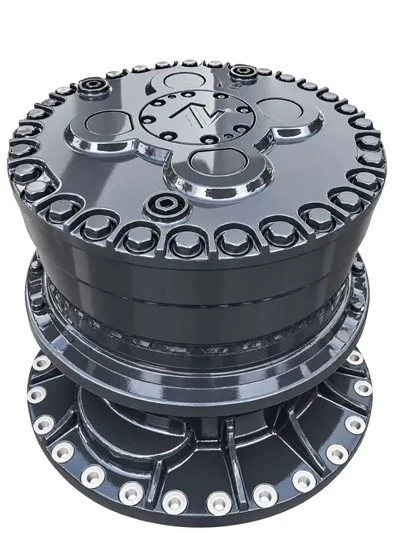
At the end of the day, your transfer case is one of the most important parts of your 4×4 or AWD vehicle, and fluid is the only thing keeping it running smoothly. Most of the time, the symptoms are subtle—you just have to pay attention to the small noises, delays, or weird feels that pop up. If you’re noticing any of the signs I mentioned here, don’t wait for it to get worse. As a transfer case supplier, we’ve helped thousands of customers with fluid issues, and we can hook you up with the right parts to fix your problem, whether you just need a fluid top-off or a full replacement. Don’t let a small fluid issue turn into a big headache—reach out to us to get your transfer case checked and get the parts you need to keep your rig running.
Torque Converter References:
- Automotive Aftermarket Suppliers Association. (2022). Transfer Case Maintenance Best Practices. National Automotive Parts Association.
- SAE International. (2021). Fluid Requirements for Light-Duty Transfer Cases. SAE International Journal of Passenger Cars – Mechanical Systems.
- Bell, A. (2023). Common Transfer Case Failures and Preventive Measures. Automotive Repair Association of North America.
- General Motors Corporation. (2022). Owner’s Manual: Transfer Case Service Recommendations for 4.5L and 5.3L Engines. General Motors LLC.
- Toyota Motor Corporation. (2021). 4WD System Fluid Maintenance Guidelines. Toyota Technical Service Bulletin T-SB-0016-21.
- Ford Motor Company. (2022). Explorer and F-150 Transfer Case Fluid Change Intervals. Ford Motor Company Service Bulletin 21-0118.
Shandong Huashou Transmission Technology Co., Ltd.
Shandong Huashou Transmission Technology Co., Ltd. is one of the most experienced transfer case manufacturers and suppliers in China, also supports customized service. Please feel free to wholesale advanced transfer case in stock here and get quotation from our factory. Quality products and reasonable price are available.
Address: No.6 Jinkang Road, Kangyi Town, Wenshang County, Jining City, Shandong Province, China
E-mail: 19285488291@163.com
WebSite: https://www.chinahuashou.com/
