Hey there, let’s talk about mercerized knitted fabric—something I get so many questions about here at the shop, and honestly, it’s one of those materials that makes regular folks and brands go “wait, that’s different?” So let’s break it down straight, no fancy jargon, because as a knitted fabric supplier, I’ve seen how confused people get when they hear “mercerized” paired with “knit” vs. woven. First, let’s get the basics right: mercerization is a chemical process, right? But it’s not just for woven cotton—knitted cotton gets this treatment too, and that’s where our specialty lies. Knitted Fabric
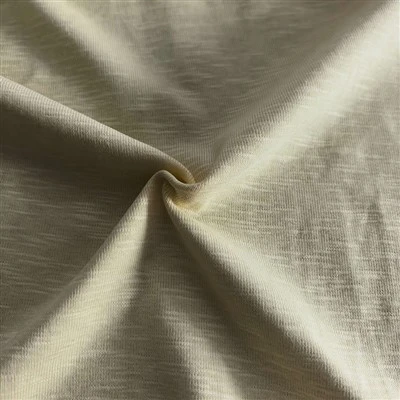
Wait, let’s start with what regular knitted fabric is, just to set the scene. If you’ve ever owned a basic cotton tee, that’s usually a plain-knit, right? It’s stretchy, soft, but can fade, pill, or look a little dull after a few washes. Now mercerized knitted fabric? It’s knitted first (usually 100% cotton, sometimes a blend but mostly cotton for the best results) and then goes through that mercerization step after the knit is formed—super important, because some people think it’s treated before knitting, but no, for knits, we do it post-knit to keep that stretchy structure intact.
What’s the mercerization process actually like, in plain terms? I don’t do the lab stuff day-to-day, but I know the key steps: we soak the knitted fabric in a super strong sodium hydroxide (lye) solution, but not so strong it eats the fabric, then we stretch it while it’s wet, and then rinse it like crazy to get all the lye out, right? Some places add a little acid to neutralize any leftover stuff, but the stretch part is game-changing. Here’s why: regular cotton fibers are like little flat, twisted ribbons—they reflect light unevenly, so they look dull. When you stretch mercerized cotton while it’s in that lye bath, those twisted fibers straighten out, turn round, and reflect light like a tiny mirror. That’s the sheen you see—this soft, pearly luster that makes mercerized knit look way more high-end than a basic tee.
But it’s not just for looks. Let’s talk about the functional stuff that makes our mercerized knitted fabric worth it for brands and even regular folks buying bulk (hey, we supply to small apparel brands and even big box stores, so I know both sides). First, absorbency—wait, regular cotton is absorbent, but mercerized cotton is even better? Because those straightened fibers have a smoother surface, so liquid doesn’t sit in the little twists and get trapped. That means a mercerized knit tee dries faster, which is great for activewear or everyday tees that don’t stay damp after a workout or a rain spill.
Then, strength. I’ve had customers tell us their mercerized knit socks last way longer than regular cotton socks. The stretched fibers bond tighter, so they’re less likely to break down with washing and wear. Less pilling too—because the surface is smoother, those tiny loose fibers that turn into pills on your favorite tee don’t stick out as much. Sure, no fabric is 100% pill-proof, but mercerized knit cuts way down on that annoying fuzz after 5 washes.
Wait, but hold on—isn’t there a downside? I’m not gonna sugarcoat it. Mercerized knitted fabric is a little more expensive to make, right? The process adds steps, so it’s pricier than basic knit cotton. Also, because we stretch it during processing, the fabric has a little less stretch than unmercerized knit—important if you’re making something like a legging or a fitted tee, you might need to adjust your pattern a touch. But for things like polo shirts, button-downs, dressy tees, or even blankets where you want that polished look, that tradeoff is totally worth it.
Now, let’s get into how we use this in our work as a knitted fabric supplier. A lot of our clients come to us because they want to level up their line—they’ve been using regular cotton knit tees, and their customers are asking for something that feels nicer, looks better on the shelf. We stock a few different weights of mercerized knitted fabric: 180 GSM for light, summer tees, 220 GSM for medium-weight polos and loungewear, and even 280 GSM for heavyweight sweaters that still have that soft sheen. We can also dye it—wait, mercerized cotton takes dye way better than regular cotton, right? The smooth fibers hold onto dye, so colors are richer, less likely to fade after washing. We’ve had a brand send us a neon pink sample, and the mercerized knit came out way brighter than their old regular knit—they loved it, because it stood out on their e-commerce photos.
I should also clear up a common myth: some people mix up mercerized knit with Egyptian cotton, or Supima, but those are types of cotton, not the process. You can have mercerized regular cotton, mercerized Egyptian cotton, whatever. The process is what does the work, not the type of fiber, though longer-staple cotton (which we use more of for mercerized knits) does give a smoother end product. So if a brand says “I want mercerized knit made with long-staple cotton,” that’s a combo for extra softness—no issues there.
Another thing people ask: does mercerized knit shrink? We pre-wash and pre-shrink all our fabric before it leaves our warehouse, right? So once you get it, it shouldn’t shrink more than 1-2% when you wash it, which is way less than unmercerized knit. Because during the mercerization process, we set the fibers so they don’t contract as much when wet. That’s a big deal for brands—they don’t want their tees to shrink a whole size after the first wash, so mercerized knit from us solves that.
Wait, let’s talk about feel. A lot of customers say mercerized knit feels like a luxury—like, soft but not flimsy, smooth, almost buttery. But it’s not slippery, like polyester. It still has that breathable cotton feel, so it’s good for all seasons. In the summer, it’s light and keeps you cool, in the winter, it’s warm without being heavy. I’ve worn our mercerized knit polo to a casual office meeting, and people asked where I got it—they couldn’t tell it was “just cotton” because the sheen and feel were so nice.
Now, why should you care if you’re a brand looking for a fabric supplier? Let’s be real: the apparel market is crowded. If your product uses plain knit fabric, it’s gonna get lost. But mercerized knitted fabric has that extra oomph—higher perceived value, better performance, better color retention. We’ve had a small brand that switched to our mercerized knit for their line, and their sales went up 20% in three months because customers noticed the difference. Even for brands that sell basic tees, adding a mercerized option as a premium tier works—people will pay a little more for something that feels nicer and lasts longer.
Wait, also, what about uses beyond apparel? We’ve supplied mercerized knitted fabric for home goods too—like high-quality bed sheets, pillow covers, even throw blankets. The sheen makes home decor look more polished, and the strength means they don’t get pilled after months of use. It’s versatile, which is why we keep it in stock in multiple colors and weights.
Now, let’s get real about what to look for when buying mercerized knitted fabric from a supplier, not just our shop. Some suppliers cut corners, right? They might do a light mercerization (lower lye concentration, less stretching) so the sheen is barely noticeable. How can you spot a good one? First, the sheen— it’s not harsh, it’s a soft, even luster, not shiny like satin. Second, the hand (that’s what we call the feel of the fabric): it should be smooth, not rough, and have a bit of drape, not be stiff. Third, the color: it should be even, no patchy areas, because good mercerization means dye penetrates evenly.
At our place, we test every batch before it leaves—we check the sheen, the strength, the shrinkage, the dye fastness, because we don’t want our customers to have issues. We know that if a brand messes up their product because of bad fabric, it reflects on us too, so we take that seriously. We also offer custom dyeing—if you need a specific pantone color, we can do that with our mercerized knitted fabric, no extra hassle.
Wait, let’s address a common question from new knit buyers: is mercerized knitted fabric eco-friendly? I know a lot of brands care about sustainability, so this is big. The mercerization process uses lye, but we have a water recycling system at our warehouse that reuses 80% of the water from the process, so we don’t just dump it down the drain. Also, mercerized cotton lasts longer, which means less clothing waste—if a tee lasts 2x as long as a regular tee, it doesn’t end up in a landfill as fast. That’s a big plus for brands that want to reduce their environmental footprint.
I should also mention that we don’t do any harmful finishes on our mercerized knitted fabric—no formaldehyde, no heavy chemicals, because we know that’s important for brands making products that go next to skin. Our fabric is OEKO-TEX certified, if that means anything to you—no harmful substances, so it’s safe for all ages, including kids’ clothing.
Now, let’s wrap this up for anyone who’s been on the fence about mercerized knitted fabric. Whether you’re a startup brand looking for a fabric that makes your products stand out, or a retailer wanting to add a premium line to your inventory, mercerized knit is worth the investment. It’s not just a “fancy” fabric—it’s a functional upgrade that looks better, lasts longer, and sells better.
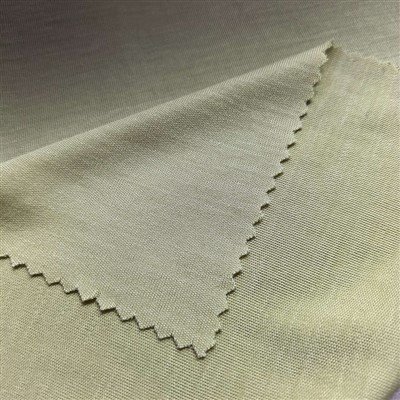
If you’re ready to chat about your project—whether you need a small sample batch, bulk yardage, or custom dyeing—we’re here. We can walk you through weights, colors, minimums, whatever you need to get started. No pressure, no confusing sales pitches, just straight talk about what works for your line.
Recycled Polyester Fabric References:
- Cotton Council International. (2022). Mercerized Cotton: Properties and Applications. National Cotton Council of America.
- Textile Institute. (2021). Knitted Fabrics: Manufacturing and Performance. Woodhead Publishing.
- OEKO-TEX Association. (2023). Standard 100 for Textile Products: Certification Guidelines. OEKO-TEX®.
Shaoxing Valu Textile Co., Ltd.
Shaoxing Valu Textile Co., Ltd. is one of the most professional knitted fabric manufacturers and suppliers in China. We have world-leading production equipment and strong manufacturing capabilities. Please feel free to wholesale bulk high quality knitted fabric made in China here from our factory. Also, custom service is available.
Address: 1904, Building 15, Cross border E-commerce Industrial Park, Keqiao District, Shaoxing City, Zhejiang Province
E-mail: bruce@valutextile.com
WebSite: https://www.valutextile.com/
