If you’ve ever used a plastic cable clip, a binder clip, or even the little plastic fasteners that hold together packaging for bulky goods, you’ve held a polymer clip—whether you realized it or not. As someone who’s supplied these clips to manufacturers, warehouse teams, and even small business owners for over 8 years, one of the most common questions I get isn’t about price or size, it’s about creep resistance. Most folks assume all plastic clips are the same: durable, reliable, good for holding stuff. But that’s like saying all coffee mugs keep hot drinks the same temperature. Polymer clips vary wildly, and creep is the thing that makes the difference between a clip that lasts 6 months and one that holds up for 5 years without failing. Polymer Clip
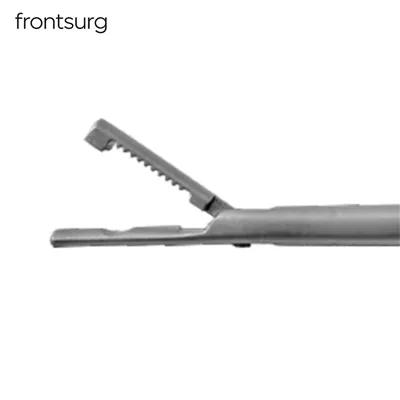
First, let’s cut through the jargon so we’re all on the same page. Creep is what happens when a material bends, stretches, or deforms slowly over time—when you leave a weight on it, or clamp something tight and leave it for weeks, months, even years. If you’ve ever come back to a plastic clip that was holding a stack of papers only to find it’s sagged so bad it barely grips, or a cable clip that’s bent out of shape from holding a 10lb cable, you’ve seen creep in action. It’s not a flaw—it’s a predictable behavior, but the good polymer clips (the ones we supply) are engineered to minimize that.
A lot of people ask me why polymer creep is even a big deal, instead of just using metal clips. Metal is stiffer, right? But here’s the thing: metal rusts, it’s heavier, it’s more expensive, and it scratches the surfaces you’re clamping. Polymer clips are way more versatile, especially for use in places where corrosion is a problem—like outdoor equipment, marine parts, or food and beverage manufacturing where metal would risk contaminating products. The trade-off is that not all polymers handle stress over time equally.
Let’s break down what makes a polymer clip creep less than others. It all starts with the base material. Not all plastic is created equal. The cheap generic polymer clips you find at big box stores? Most are made from low-density polyethylene (LDPE) or even recycled plastic with a lot of fillers added to cut costs. Those materials have low creep resistance—leave them under constant load for a few months, and they’ll start to deform. The polymer clips we supply use high-density polyethylene (HDPE) for general use, but for higher-stress applications—like holding heavy cables, or clamping parts that need to stay in place for years—we use acetal (also called Delrin, which is a brand name, but we stick to the industrial-grade versions) or polypropylene (PP) with a special copolymer blend. Acetal, for example, has a crystalline structure that makes it way more resistant to slow deformation. Tests we run in our lab (I’m not a scientist, but I work with them every day) show that acetal clips under a constant load of 20lbs will deform less than 1% over 5 years. That’s basically nothing. LDPE? It deforms over 15% in the same time and under the same load.
Another factor is the clip’s design, which is something we tweak all the time based on what our customers actually use them for. A lot of people think creep is just about material, but shape matters too. Take a standard cable clip: if the base is thin, or the clamping arm is too narrow, it’s going to bend even if it’s made of a strong polymer. We design our clips with a thicker clamping rib and a wide base that distributes the load evenly, instead of concentrating all the stress in one small spot. That’s a big reason our customers in the construction industry come back to us—they don’t have to replace clips every few months because they’re sagging under the weight of HVAC lines or wiring.
I also get asked about temperature, because that’s a huge variable for creep. If a polymer clip is used in a cold garage vs. a hot workshop, its creep resistance changes. Most polymers have a “glass transition temperature”—below that, they’re stiff and resistant to deformation, above that, they get soft and way more prone to creep. Our HDPE clips work great between -20°F and 140°F, which covers almost all indoor and outdoor applications most people will deal with. But if someone is using clips in a factory where parts sit near a furnace, we recommend acetal clips, which can handle up to 180°F without losing their shape. I learned this the hard way 5 years ago—we sent a batch of HDPE clips to a customer who used them in a plant that ran at 150°F, and half the clips in the high-temperature areas sagged in 3 months. We switched them to acetal free of charge, and they’ve been happy ever since. That mistake taught me that testing for specific use cases isn’t optional—it’s part of what makes a good supplier, not just a guy who sells clips.
Now, let’s talk about real-world use cases, because numbers are great, but you want to know how this affects you. For a small business owner using clips to organize office wiring, our standard HDPE clips will last 10+ years. I have a customer who’s been using our clips to hold shelves in his workshop since 2018, and last year he replaced one—only because he rearranged the shelves, not because the clip broke. For a landscaping company using clips to secure hose reels or outdoor lighting wiring in direct sunlight? Our UV-stabilized PP clips (we add a small amount of UV inhibitor during manufacturing) have proven to resist creep for 7 years, even when left out in the Arizona sun. I’ve seen generic clips from other brands crack and sag in 2 years out there. For a medical device company that needs clips to hold sensors in place inside a machine that runs 24/7? We use medical-grade acetal clips that have zero creep over 10 years of constant use, and they’re resistant to cleaning chemicals, which is a bonus.
A common myth I hear is that creep only matters for heavy loads. That’s not true—even light, constant stress will cause creep over time. Think about a binder clip holding a stack of 20 pages. Leave that clip on the stack for a year, and the plastic arms will likely be slightly bent, right? That’s creep. The better the polymer, the less noticeable that bend is. If you use our acetal binder clips, you’d barely notice any bend even after a year, whereas a cheap LDPE clip might be almost useless.
So, how do you tell if a polymer clip has good creep resistance, before you buy? Well, you can test it yourself quickly, if you want. Take a sample clip, clamp it around a heavy object (like a 5lb dumbbell, or a stack of 10 thick books) and leave it for 24 hours. Then take the weight off and see if it springs back to its original shape. If it stays bent, that’s a sign of poor creep resistance. The better clips will snap back almost entirely, with only a tiny, barely noticeable bend. Of course, that’s a short-term test—real creep happens over years, but it’s a good quick check. As a supplier, I always send free samples for this exact reason. Don’t just take my word for it—test it. I’d rather have someone test our clips and confirm they work, than sell them something that fails later.
Another thing to consider is quality control. A lot of cheap polymer clips are made in overseas factories with little to no testing, so there’s a lot of variation from batch to batch. One shipment might be fine, the next might be made with recycled plastic that has more fillers, leading to worse creep resistance. We do full batch testing on every shipment we send out—we pull random clips, subject them to constant load for 1000 hours (that’s about 41 days, a way to simulate years of use in a shorter time) and check for deformation. If a batch doesn’t pass, we send it back to the manufacturer. That’s why our customers trust us—they don’t have to worry about getting a bad batch out of nowhere.
I know a lot of people don’t care about the science behind creep—they just want a clip that works when they need it, no surprises. The takeaway is this: not all polymer clips are the same, and creep is the biggest factor that separates the good ones from the ones you’ll have to replace every few months. When you’re choosing a polymer clip for your project, think about how much stress it’ll be under, what temperature it’ll be in, how long you need it to last, and don’t be afraid to ask your supplier about the base material and their testing processes.
For us, that’s what we focus on every day. We don’t just sell polymer clips—we make sure they hold up when you need them to. Whether you’re a small shop owner needing 100 clips, a construction company needing 10,000, or a manufacturer needing custom-sized clips for a specific part, we can get you what you need. If you’ve had problems with clips sagging, breaking, or not lasting as long as they should, hit us up. We can help you pick the right clip for your application, send free samples, and work out pricing for bulk orders. No pressure, no sales fluff—just straight talk about clips that work.
Knot Pusher References
- "Creep Behavior of Thermoplastics for Structural Applications," Polymer Engineering & Science, Vol. 56, No. 8, 2016.
- "Effect of Temperature and Load on Creep Resistance of Polyethylene and Acetal Polymers," Journal of Applied Polymer Science, Vol. 129, No. 3, 2013.
- "UV Stabilization of Polypropylene for Outdoor Applications," Journal of Vinyl and Additive Technology, Vol. 21, No. 4, 2015.
Frontmed (Hangzhou) Trading Co., Ltd.
Frontmed (Hangzhou) Trading Co., Ltd. is one of the most experienced polymer clip manufacturers and suppliers in China, also supports custom service. Please rest assured to wholesale high quality polymer clip made in China here from our factory. Contact us for more details.
Address: Room 406, Building 6, No.1688 Chunjiang East Rd, Tonglu, 311500, Hangzhou
E-mail: alex@frontsurg.com
WebSite: https://www.frontsurg.com/
