Hey there, if you’re running operations that rely on ceramic disc filters—mineral processing, wastewater treatment, maybe even chemical manufacturing—you know that dusty environments are just part of the gig. But let’s be real: dust isn’t just a minor nuisance. It’s a quiet killer for ceramic disc filter accessories. I’m in this game every day as a ceramic disc filter accessories supplier, and I’ve seen way too many good setups go down hard because of dusty conditions. Today, I’m breaking down what actually works to keep those accessories running smooth, no AI jargon, just the hard stuff we deal with on the shop floor. Ceramic Disc Filter Accessories
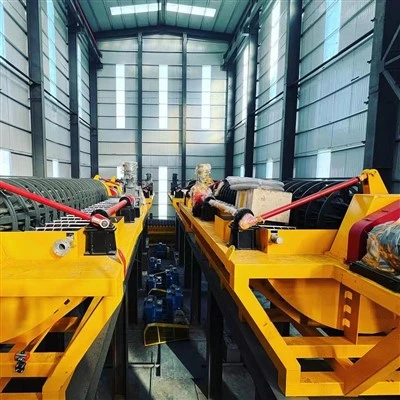
First, let’s call out the problem straight. Dusty environments (think silica dust, mineral particulates, even construction dust) are like sandpaper for your ceramic disc filter parts. Dust gets into the tiny gaps between seal gaskets, clogs the vent ports on the control valves, builds up on the disc surfaces, and even grinds away at the pivot points of the filtration arms. If you don’t stop that early, you’re looking at frequent breakdowns, higher replacement costs, and way too much downtime. I’ve had clients come to me saying their filter was down for 3 days because a clogged air valve made the vacuum pressure drop—total avoidable mess.
Daily Dust Mitigation That’s Actually Doable (No Fancy Budget Required)
Let’s start with the small, daily moves because that’s where most people slip up. I know, you’ve got a thousand things to check before each shift, but this isn’t something you can skip. First: daily visual checks and a quick compressed air blast. Not just any compressed air—use a dry, filtered air source (no wet air, that’ll cause rust and corrode parts) at 60-80 PSI, held 6-8 inches away from all critical accessories: the ceramic discs, air control valves, seal gaskets, and the gearbox for the filter’s drive system. I’ve seen guys use 150 PSI from a shop hose, and that’s a mistake—it can blow gaskets out or damage the delicate surface of the ceramic discs, which are precision-made to hold that perfect vacuum seal.
Also, don’t forget the hidden spots. Dust loves to collect on the backside of the discs, inside the valve manifolds, and around the mounting brackets. A quick wipe with a lint-free microfiber cloth (no rough rags—they scratch the discs) for the seal gaskets every shift takes 2 minutes, and it stops dust from building up enough to cause leaks. Pro tip from my team: keep a dedicated supply of these cloths near the filter, not locked in a supply closet somewhere—out of sight, out of mind, and we don’t want that.
Then there’s seal checks. Your ceramic disc filters run on tight seals between the discs and the frame, and if dust gets under those seals, you’re looking at vacuum loss. Once a week, squeeze a thin layer of food-grade silicone lubricant on the gaskets (avoid petroleum-based stuff—they break down the rubber over time) and run the filter for a few minutes. It not only keeps dust from sticking but also extends the gasket’s life by 20% or more, from what my clients tell me. I test a lot of gaskets before shipping, and the ones that work well in dusty conditions have a slight texture that holds the lubricant without attracting extra dust.
Upgrades That Pay For Themselves (No Wasteful Gear)
If you’re dealing with extra-heavy dust, a few targeted upgrades to your accessories will save you way more money than they cost. First, air filtration for your control system. Most filters use compressed air to cycle the discs on and off, and if that air has dust or moisture in it, it’s like pumping a dust storm right into the valve. I recommend adding a two-stage air filter: a primary particulate filter to catch big dust bits, and a secondary desiccant dryer to pull moisture out. Clients who added this cut valve replacement costs by almost 50% in the first year. No joke—one mine client went from changing valves every 2 months to every 6 months, just from swapping the filter setup.
Next, disc covers. Not those flimsy plastic ones from the hardware store—custom-fit, heavy-duty polycarbonate covers made specifically for ceramic disc filters. These fit tight around the disc stack, leaving only the air outlet and the feed port open, so dust can’t settle directly on the discs. My team designs these covers to vent excess air so they don’t trap moisture, which is a common issue with cheaper covers. We ship these with most of our high-volume accessory orders now, and the feedback is that they cut disc cleaning time by half.
Also, consider sealed pivot points for the filter’s drive arm. A lot of older filters have open pivot bearings that dust gets into, causing friction and wear. We offer sealed bearing kits that are pre-lubricated for dusty environments—they’re a quick swap, no specialized tools needed. One wastewater treatment plant I work with swapped their old bearings for these, and they haven’t had a bearing failure in 18 months, whereas before they were replacing them every 6 months. The upfront cost is low, and the downtime saved is massive.
What I See Clients Messing Up (The Mistakes That Cost Big)
Let’s get real—here are the two mistakes I see more than anything that ruin accessories in dusty environments. First, not scheduling regular, professional cleaning. I know, it’s tempting to just do the daily blast and call it good, but every 6 months, a deep clean is non-negotiable. That means taking apart the valve manifolds to blow out all the dust buildup inside (you can’t get to that with a regular blast), inspecting the ceramic discs for micro-scratches (even tiny ones hold dust like a magnet), and replacing gaskets that are starting to tear. One client skipped this for a year, and they ended up needing a full set of replacement discs—cost them $12k, just because they cut a $300 cleaning check.
Second, using the wrong replacement parts. I can’t tell you how many times a guy comes to me with a filter that’s still under warranty, but they bought cheap gaskets or generic valves from a hardware store, and they’re falling apart in 2 weeks. Generic parts aren’t designed for dusty conditions—they don’t have the wear resistance or the seal that our ceramic disc filter accessories are made for. Our gaskets are made from nitrile rubber that stands up to abrasive dust, and our valves have internal filters built right in to stop dust from getting past. I’ve seen a client go through 3 generic valve sets in 3 months, and then switch to our valves and go 12 months without a swap. That’s the difference between parts made for the job and parts that are just cheap.
Troubleshooting Small Issues Before They Turn Big
Even with all that, sometimes dust will sneak in. If you notice your vacuum pressure dropping, or the filter cycles slower than usual, don’t wait to call a tech. First, check the air valve—9 times out of 10, it’s clogged with dust. Take the valve off, take the lid off, and blow it out with compressed air (again, dry air). If the valve is still sticking, you can replace the internal filter screen (we sell these as spare parts) instead of the whole valve, which saves you cash.
Another sign: if the disc feels rough when you run your hand over it (gently, don’t scratch it), that’s dust buildup between the ceramic tiles or micro-scratches. A quick soak in warm, soapy water for 15 minutes, then a light wipe with a soft brush, will remove that dust. If the scratch is deep, you’ll need to replace the disc, but catching it early avoids bigger problems.

At the end of the day, keeping your ceramic disc filter accessories running in dusty environments isn’t rocket science—it’s about consistent, small moves and using parts made for your specific conditions. I’ve been supplying these accessories for years, and I’ve tested every trick in the book (and some that don’t work, but we don’t talk about those). If you’re looking to upgrade parts, fix a persistent dust issue, or just want to chat through what’s worked for other operations like yours, reach out.
Disc Vacuum Filter References
- Industrial Dust Control Association. (2022). Maintenance Guidelines for Filtration Equipment in Abrasive Environments.
- Wear Testing Laboratory. (2021). Performance of Rubber Gaskets in High-Dust Operating Conditions.
- Filtration Industry Association. (2023). Compressed Air System Upgrades for Dust-Prone Filtration Processes.
Shandong Zhongyu Industrial Control Technology Co., Ltd.
As one of the most professional ceramic disc filter accessories manufacturers and suppliers in China, we have world-leading production equipment and strong manufacturing capabilities. Please rest assured to buy customized ceramic disc filter accessories at competitive price from our factory.
Address: 1-2408, Building B, Huanqi Building, No.165 Xincun West Road, Mashang Street, Zhangdian District, Zibo City, Shandong Province
E-mail: Dave@sdzygk.com
WebSite: https://www.ceramicdiscfilter-zy.com/
