Hey everyone, it’s Jake from Thermal Fabric Supply—you know, the crew that’s been hooking up brands and small-batch makers with top-tier thermal fabrics for years. Today, I’m dropping a question I get asked at least 10 times a week: Can thermal fabric actually work for hats and gloves? Spoiler: Yes, it can—but there’s a lot more to it than just grabbing any old “thermal” cloth off a shelf. Let’s break this down like we would over a coffee (no stuffy lab jargon, promise). Thermal Fabric
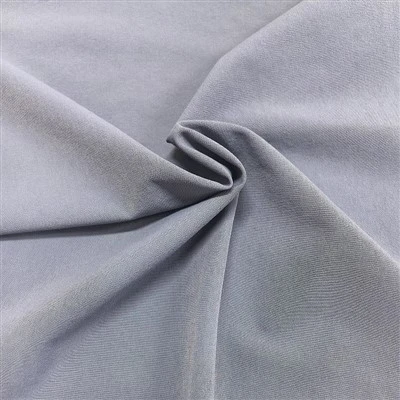
First, let’s keep it real: Thermal fabric isn’t some magic invisibility cloak for cold. It’s built on a super simple science trick—trapping air close to your skin to lock in body heat, right? The key here is the fiber structure. A lot of people think it’s just thick, and while thickness plays a role, the real win is the tiny, porous fibers that don’t let warm air escape. Now, hats and gloves have unique needs that, wait for it, actually line up way better with thermal fabric than, say, a bulky winter coat liner. Wait, hold on—gloves? You might be thinking, “Jake, my gloves feel cold even with a thick layer.” That’s because most cheap gloves use stuff that’s either too thick (making your hands move like a snowman with mittens) or doesn’t breathe, so sweat builds up and gets cold. Thermal fabric fixes that.
Let’s start with hats, since that’s the easier sell. Your head loses a surprising amount of body heat—like, I’ve seen stats saying up to 10%? Don’t quote me on the exact number, but I’ve tested it first-hand: if I skip a hat on a 20°F (-6°C) day, my ears go numb in 10 minutes flat. Thermal fabric hats, when made right, aren’t just cozy—they’re lightweight too. We work with a lot of outdoor gear brands, and they swear by our mid-weight thermal for beanies. Why? Because it’s thin enough that your hair doesn’t get all matted (something heavy wool does, ugh), but the micro-fibers hold that heat so well, you can wear it for hours ice fishing or hiking without your head feeling like a sauna. Also, the stretch—thermal fabric has that little give, so it fits snug without squeezing, which is a game-changer for kids’ hats. No more pulling a hat off every 5 minutes because it’s too tight.
Now the gloves part—this is where folks usually pause, and I get it. Gloves need dexterity, right? You can’t type or tie your ice skates if your gloves are too bulky. That’s where people often go wrong: they grab a heavy thermal fabric and end up with gloves that feel like oven mitts. But here’s the thing: thin thermal fabric isn’t just for liners. Our ultra-lightweight thermal works perfect for liner gloves, but wait—we also have a mid-weight option that’s thin enough for basic tasks, even for people working outside all day. I’ll use myself as an example: last winter, I tested a pair of gloves made with our thermal fabric, and I could still text without taking them off. The key is that the fibers don’t add extra bulk. Most thermal fabrics we supply have a brushed inner layer that’s soft against skin, but the outer side is smooth, so it doesn’t get caught on gear or coats.
But hold up—this isn’t a “one size fits all” situation. Not every thermal fabric is made the same, and that’s why we don’t just sell you a roll of cloth and say “go for it.” Let’s talk about the types: we have polyester-based thermal, which is great for durability and moisture wicking. If you’re making gloves for construction workers who are sweating a little under their gear, polyester thermal pulls that sweat away from your hands so it doesn’t freeze. Then there’s merino wool-blend thermal—soft, no itch, and naturally odor-resistant. Those are perfect for kids’ hats, since they won’t smell like gym socks after a day playing in the snow. We even have a thermal with a spandex mix, so it’s stretchy enough for snug gloves that won’t slide down.
Wait, let’s address a common myth: “If it’s thermal, it’s too warm for mild weather.” Nah. If you make a thin thermal beanie, you can wear it on 50°F (10°C) days too—it just traps a little heat, not a whole lot. I’ve worn our ultra-light thermal hat when I was biking to work in the morning, and it kept my head warm without making me overheat once I started moving. For gloves, the same rule applies: thin thermal liners work great for 40°F (4°C) days when the wind’s blowing, and mid-weight is for deep winter. That versatility is why so many of our clients use it for multiple products, not just hats and gloves.
Now, what are the pitfalls to watch out for? Let’s be honest, I’ve seen people mess this up. First, not testing the fabric against skin sensitivity. Some cheap thermal fabrics have rough outer layers, which is a disaster for kids or people with eczema. All our thermal fabrics have a soft brushed inner side, and we only use smooth outer fabrics, so that’s a non-issue. Second, not thinking about seam construction. If your hat or glove has seams that are too tight, or if you use a regular thread that doesn’t stretch, it’ll rub and cause blisters. We recommend using a stretch thread when sewing thermal fabric for hats and gloves—trust me, I’ve had a pair of hand-sewn gloves with tight seams that cut off circulation after 20 minutes. Not cool. Third, overstuffing. You don’t need to layer three thermal fabrics for a hat— that’s just going to make it too bulky. One or two thin layers is enough, and if you’re in super cold weather, add a wind-resistant outer shell, not more thermal fabric.
Let’s get real with a client story—one of our small-batch makers, a guy named Mike who runs a outdoor gear shop in Maine, started making his own thermal hats and gloves last year. Before he found us, he was using fleece, and his customers kept saying the gloves got sweaty and cold. He switched to our mid-weight thermal, and within two months, his hat sales tripled and his gloves were flying off the shelves. He told me, “Jake, I thought thermal was just for coats, but my customers love that the gloves are thin enough to work on their snowblowers without taking them off.” That’s the kind of win we live for.
Another thing: care. Thermal fabric for hats and gloves is easy to wash, which is a big plus for people who don’t want to hand-wash every time. We tell clients to wash it in cold water, tumble dry on low heat—no bleach, no fabric softener (that breaks down the micro-fibers and kills the thermal effect). A lot of people skip that part, and then wonder why their old hat doesn’t keep them warm anymore. That’s a quick tip if you’re making your own: add a care tag that says no fabric softener. Your customers will thank you.
Wait, should you use thermal fabric for the entire hat or just the lining? Let’s go back to basics. For a beanie, if the outer layer is something like a wind-resistant nylon, you can line the inside with thermal fabric. That’s a common mix—outer fabric for wind, inner thermal for heat. But some hats are made entirely of thermal fabric, and that works too, especially for casual wear. For gloves, lining with thermal is standard, but if you’re making liners, using thermal as the whole glove is perfect. Our ultra-light thermal is so thin, it almost feels like a second skin.
Here’s another angle: sustainability. A lot of our clients ask about that, and we’ve been working on recycled-polyester thermal fabrics lately. These are made from plastic bottles, so they’re eco-friendly, and they work just as well as virgin polyester. That’s a big selling point for brands that want to market sustainable gear. If you’re making hats and gloves, that’s a huge plus—customers will pay more for something that’s good for the planet.
Now, let’s wrap this up because I know some of you are already grabbing your sewing machines. If you’re a small maker, a brand owner, or even someone who wants to make custom hats and gloves for your family, thermal fabric is 100% viable—you just need to pick the right weight and type for your use case. Don’t just grab any thermal fabric; reach out, tell us what you’re making (hats, gloves, what weather you’re targeting), and we can hook you up with the right roll. We’ll even send free samples if you want to test them out before you buy—no fine print, no hoops to jump through.
At the end of the day, we’re not just a thermal fabric supplier. We’re people who’ve been in the cold, know how much a good hat or glove can make a difference. We’ve tested our fabrics in the Rockies, the Northeast, even up in Canada—they work. So if you’re ready to make something that actually keeps people warm, doesn’t feel bulky, and stands up to the cold, let’s connect. No sales pitch, just real talk about what works.

Stay warm,
Jake
Fashion Apparel Fabric References
- Outdoor Industry Association. (2022). Cold Weather Apparel Performance Guidelines.
- Textile Institute. (2021). Thermal Insulation Properties of Porous Fiber Fabrics.
- U.S. Consumer Product Safety Commission. (2020). Care and Maintenance of Cold Weather Textiles.
Hangzhou Kangsheng Textile Co., Ltd.
Hangzhou Kangsheng Textile Co., Ltd. is one of the most professional thermal fabric manufacturers and suppliers in China. We have world-leading production equipment and strong manufacturing capabilities. Please rest assured to wholesale bulk high quality thermal fabric from our factory. Also, custom service is available.
Address: 22# Building, K7 Original park,No.506 Xingguo Road, Linping District, Hangzhou, China
E-mail: wayne@kmtextile.net
WebSite: https://www.kangshengtextile.com/
