Alright, let’s cut to the chase – if you’re a bamboo pergola owner, the last thing you want is that gorgeous, natural structure turning into a squishy, moldy mess before its time. I’ve been selling bamboo pergolas for years, and I’ve heard every horror story: customers who forgot to seal their unit, watched it sit in rain puddles for months, and then called me panicking because half the slats were rotted. Look, bamboo’s super durable, way stronger than wood, but it’s not invincible. Rot happens when moisture gets trapped, mold and fungi move in, and boom – your pergola’s toast. The good news? Preventing rot is way easier than fixing it. I’m gonna walk you through the exact steps we share with every customer when they buy from us, no fancy jargon, just real stuff that works. Bamboo Pergola
First off, let’s get one thing straight: not all bamboo is the same, and how you handle it from day one makes all the difference. Wait, I know you’re probably thinking “I just bought my pergola, why are we talking about bamboo type?” Trust me, we sort our bamboo before it even leaves our warehouse. We only use mature bamboo – the stuff that’s at least 3 to 5 years old. Young bamboo has way more moisture inside it, so it’s way more likely to rot. If you see a “bamboo” pergola that’s cheap, it’s probably made from young bamboo, and it’ll start going downhill in a year or two. That’s why we don’t skimp on quality here. But even mature bamboo needs a little help to stay dry, right?
Let’s start with the most basic thing: installation. Most people think plopping your pergola in the yard and calling it a day is fine, but wrong. If the base isn’t set right, water will pool underneath, and that’s rot city. When we deliver a pergola, our team always walks the customer through how to prep the ground first. You wanna make sure the area is sloped slightly – like, 1 to 2 degrees – so rainwater runs off, not sits. No low spots where water can collect after a downpour. Also, don’t set the posts directly in dirt or grass. We always recommend using concrete footings, or at least gravel or patio pavers under the posts. If you set the post in dirt, it’s touching wet ground 24/7 – that’s a direct path for moisture to seep up into the bamboo. I had a customer last year who set his posts right in the lawn, and within 8 months the bottom 6 inches of each post was mushy. He ended up having to replace the whole thing. Don’t be that guy.
Next up: sealing and staining. This is probably the biggest step people skip, and it’s the one that’ll make your pergola last 10+ years instead of 2 or 3. Bamboo is porous – it soaks up moisture like a sponge. If you don’t seal those tiny pores, water gets in, fungi grow, and rot starts. Now, not all sealants are created equal. A lot of people grab a random wood sealer from the hardware store and think that’s enough, but wood sealers don’t work as well on bamboo. You need a sealant specifically made for bamboo, or a high-quality marine-grade sealant. Marine-grade is great because it’s water-resistant, UV-resistant, and blocks out mold. We usually recommend oil-based sealants over water-based ones because water-based ones can make bamboo warp a little if they’re not applied right. But hey, as long as it’s for exterior use, you’re good.
Wait, how often do you need to re-seal? That’s a common question. We tell customers to do it once a year, at minimum. Even if it looks like the sealant is still holding, rain, sun, and dirt wear it down over time. If you live in a really rainy or humid area (like Florida or the Pacific Northwest), you might even wanna do it twice a year. Don’t wait until you see mold on the bamboo – by then, the rot’s already started. Another tip: before you seal, make sure the bamboo is totally dry. If you seal it when it’s even a little damp, the sealant will trap moisture inside, and that’s way worse. Give it 24 to 48 hours of dry weather after cleaning it, then go to town.
Speaking of cleaning – you can’t just ignore your pergola between sealings. Dirt, leaves, pollen, and bird poop build up on the slats, and they hold moisture against the bamboo. I tell customers to do a quick clean every 3 months, or after a big storm. What do you use? Not a pressure washer, that’s a mistake. Pressure washing is way too strong and can damage the bamboo fibers, making them more prone to rot. Instead, use a soft-bristle brush, mild soap (like dish soap, no harsh chemicals), and warm water. Scrub gently, rinse with a garden hose on low pressure, and let it air dry. If you do get mold or mildew spots (even a little), mix up a solution of one part bleach to four parts water, spray it on the spot, let it sit for 15 minutes, then scrub and rinse. That kills the fungi before it spreads.
Now, let’s talk about drainage on the pergola itself. Your pergola’s roof slats – wait, are yours the solid ones or the open ones? Either way, water can get trapped between the slats, or on top of slats that are laid too flat. When we install our pergolas, we make sure the slats are spaced just right, and the roof has a slight pitch – like, ¼ inch per foot – so water runs off the edges instead of pooling in the middle. If you built or bought a pergola that has a flat roof with no pitch, you can add a little slope by propping up one edge a tiny bit. Also, if you have solid slats, you might wanna drill tiny ⅛-inch holes in the bottom of a few slats, so any water that gets in can drain out instead of sitting inside the slat. That’s a trick we learned from years of testing, and it works like a charm.
Another thing: avoid placing anything that holds moisture against the bamboo. A lot of people hang potted plants directly on the pergola posts, or leave outdoor cushions on the slats. If you put a potted plant on a slat, the base of the pot will trap water and dirt against the bamboo. Same with cushions – if they get wet and stay on the pergola, they’re holding moisture against the slats. We tell customers to use hanging planters that are suspended from hooks, not resting on slats, and to take cushions inside when they’re not using them, or at least flip them over so they don’t sit on the pergola all day.
What about if you live in a super rainy, humid area? Like, places where it rains for weeks at a time, or the air is thick with moisture? Extra steps here. We recommend adding a coat of mildew-resistant sealant, not just regular sealant. Also, making sure the slats have extra drainage holes, maybe even adding a small fan nearby if you can – that helps circulate air and dry out the bamboo faster. Wait, air circulation is huge, I can’t stress that enough. If your pergola is tucked up against the side of your house, or surrounded by dense bushes, there’s no air flowing around it. That means moisture hangs around, and mold grows. If you can, trim back bushes or trees that are touching the pergola, so air can circulate freely. Even a little bit of space makes a big difference.
Wait, let’s address a myth I hear all the time: “Bamboo doesn’t need any maintenance, it’s natural.” No, it’s natural, but it’s still a plant fiber, and plant fibers rot when they’re wet. I’ve seen so many customers regret buying a cheap “maintenance-free” pergola that ends up rotting within a year. Our pergolas are designed to last, but only if you take the basic steps to protect them. Look, I’m not saying you have to be a handyman or spend hours every week on your pergola – 30 minutes every few months is all it takes.
Let’s recap the steps real quick so you don’t forget: 1. Install it correctly – sloped ground, posts on footings, no pooling water. 2. Seal it annually with a bamboo or marine-grade sealant. 3. Clean it every 3 months with mild soap and a soft brush, no pressure washing. 4. Make sure the roof has a pitch and slats have drainage holes. 5. Keep objects that hold moisture off the slats and posts. 6. Keep air circulating by trimming nearby plants.
Now, if you’re thinking about buying a bamboo pergola, or you have one that’s starting to look a little dingy, we’re here to help. We don’t just sell you a pergola and disappear – we give you the full guide to keeping it rot-free, answer any questions you have, and even send you a reminder when it’s time to re-seal. We’ve been doing this for years, so we know exactly what works, and what doesn’t.
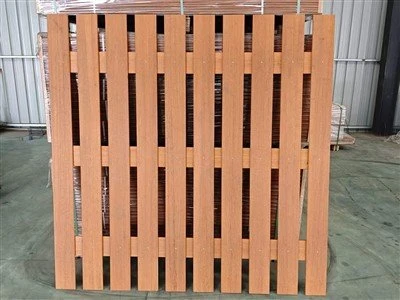
If you’re ready to get a pergola that’ll look amazing on your patio, deck, or backyard for years to come, don’t hesitate to reach out. We can talk about the best type for your climate, answer any questions about installation or sealing, and get you set up with something that fits your space. No pushy sales stuff, just real advice from people who actually know bamboo pergolas.
Bamboo Decking References
- Bamboo Durability and Preservation: A Guide for Exterior Applications, International Bamboo and Rattan Organization
- Wood vs. Bamboo: Rot Resistance and Maintenance Requirements, USDA Forest Service, Forest Products Laboratory
- Exterior Sealant Performance for Bamboo Structures, Journal of Sustainable Bamboo and Rattan, 2021
- Preventing Fungal Decay in Bamboo Building Materials, National Bamboo Technical Center
Ningguo Kungtai Bamboo and Wood Co., Ltd.
As one of the most professional bamboo pergola manufacturers and suppliers in China, we warmly welcome you to wholesale bulk customized bamboo pergola from our factory. If you have any enquiry about quotation, please feel free to email us.
Address: East of Huanggang Road, Ningdun Town, Ningguo City, Anhui Province
E-mail: office@hh-bamboo.com
WebSite: https://www.kungtaibamboo.com/
