If you’ve spent any amount of time on a golf course, you’ve probably seen two small but essential things scattered across the green: the round, flat indentations left by a golf ball, and the tiny, often colorful object a golfer sets down to mark their ball’s position. For years, I’ve talked to casual players and even some new club members who mix these two up, calling every little mark on the green a “ball marker” or dismissing pitch marks as something the course will fix on its own. As a supplier of high-quality ball markers, I want to clear that confusion up because understanding the difference between these two small items is key to preserving the green’s integrity—and making sure your round goes smoothly. Ball Markers

Let’s start with the one that causes the most headaches for course superintendents: the pitch mark. If you’ve ever seen a golf ball drop from the sky, strike the green, and leave a tiny, circular divot, that’s a pitch mark (sometimes called a ball mark, though that’s a misnomer). When a golf ball impacts the green, it compacts the grass and soil underneath, pushing the surrounding turf upward into raised edges. This doesn’t just leave an unsightly spot; it can disrupt the line of a putt, even if you can’t see the imperfection with the naked eye. A 2021 study from the United States Golf Association (USGA) found that pitch marks can alter the green’s surface by up to 1.5 millimeters in some cases, which may seem small, but for a 10-foot putt, that difference can throw a ball off line by as much as 6 inches. What’s more, if pitch marks aren’t repaired properly, the damaged grass can die, leading to bare patches that take weeks to regrow—something every course manager will tell you is a constant battle.
Here’s where the confusion starts: a pitch mark is not the same as a ball marker. A ball marker is a small, flat object—usually round, square, or even shaped like a logo, animal, or number—that a golfer places directly behind their ball to mark its position on the green. The rule of golf is simple: once a ball is on the green, you can’t pick it up unless you mark its spot first. That’s where the ball marker comes in. When you’re ready to retrieve your ball to clean it, or if another player’s line crosses yours, you set your ball marker just behind the ball, lift the ball, and replace it exactly where the marker is when you’re done. Ball markers are also used in stroke play to count your ball’s position if it’s moved by a weather event, like a gust of wind, or by another player’s shot. Unlike pitch marks, which are a byproduct of playing the game, ball markers are a tool designed to keep the game fair and prevent unnecessary delays.
I’ve seen a lot of golfers reach for a tee or a scrap of paper to use as a ball marker, and while that works in a pinch, it’s not ideal. Cheap, flimsy ball markers can slide around on the uneven green surface, making it hard to line up your ball correctly when you replace it. That’s where my company comes in. We specialize in durable, precision-cut ball markers that sit flat on the green, so you never have to worry about them shifting. Our markers are made from high-grade materials that won’t bend or fade, and we offer custom designs for courses, clubs, and even individual golfers who want something personal. But I don’t just sell these markers— I educate golfers on why they matter, too. Too often, new players see ball markers as a trivial accessory, but they’re actually a core part of golf etiquette, right up there with repairing your own pitch marks.
Let’s circle back to pitch marks, because this is where most of the mistakes happen. A lot of casual players will step over a pitch mark on their way to their ball, assuming the course’s maintenance crew will handle it later. But that’s not how it works. When you repair a pitch mark, you don’t just press it flat with your foot—you use a small pitch repair tool (which is different from a ball marker) to gently lift the edges of the damaged turf, allowing it to settle back into place. The USGA recommends repairing a pitch mark within 10 minutes of making it, before the soil and grass dry out, because once it dries, the grass won’t reattach properly, and the mark will leave a permanent scar. I’ve talked to superintendents who say that 90% of the bare patches on their greens come from unrepaired pitch marks, not from heavy foot traffic or mowing. That means every golfer who skips repairing their pitch mark is adding to that damage, which leads to higher maintenance costs and, ultimately, higher green fees for everyone.
Another common mix-up: some golfers call their ball marker a “pitch mark,” but that’s like calling a pencil a piece of paper. A pitch mark is a damage, a ball marker is a tool to prevent disruption. Let me walk you through a quick, real-world example to make this clear. Suppose you’re on the 18th green, your ball is 12 feet from the hole, and it’s sitting right in front of a small indentation. You need to clean your ball, so you pull out your ball marker, set it just behind your ball, lift the ball, clean it with your towel, and then set it down again exactly where the marker is. That’s the ball marker doing its job. Later, after you’ve made your putt, you turn around and see the indentation your ball left on the green— that’s the pitch mark. You grab your pitch repair tool, gently lift the raised edges of the mark, and press it flat to help the grass regrow. Two separate items, two separate jobs, both critical to the game.
I’ve been working in the ball marker supply industry for over a decade, and one thing I’ve learned is that the best golfers aren’t just the ones who shoot low scores—they’re the ones who respect the course and the game’s rules, which means knowing the difference between a pitch mark and a ball marker. I’ve had golfers come to me after a round, asking for a ball marker that’s “good for repairing pitch marks,” and I always take the time to explain the difference. That’s why I write this blog, to clear up that confusion. It’s not just about selling a product; it’s about helping every golfer enjoy the game more, and making sure the courses we love stay in great shape for years to come.
Now, let’s talk about why ball markers matter beyond just marking your spot. The Rules of Golf, updated regularly by the USGA and The R&A, outline exactly how ball markers should be used. If you don’t mark your ball before lifting it, you can be penalized a stroke, which can make or break a round. A good ball marker makes this process fast and accurate—no fumbling around for a tee that’s too short, or a coin that’s too thick. Our ball markers are designed to fit exactly under a golf ball, so when you replace it, you don’t have to adjust it by more than a fraction of an inch, which keeps your putt on line. We also offer bulk orders for courses and clubs, because we know that every golfer should have a high-quality ball marker in their bag, not just the ones who can afford expensive gear.
Back to pitch marks: I’ve seen courses with perfectly manicured greens where the only imperfections are from unrepaired pitch marks. It’s disheartening for the superintendents who spend hours every morning rolling and mowing the green, only to have a dozen or more pitch marks left by golfers who didn’t take the extra 30 seconds to repair them. The good news is that it’s a simple fix. Next time you’re on the green, after you make a putt, take a look at the spot where your ball landed. If there’s a small indentation, grab your repair tool, lift the edges, and press it flat. That small act can save the course hundreds of dollars in maintenance, and it makes the green look better for the next group. And if you’re missing a ball marker in your bag, or you want a durable one that will last for years, that’s where we come in.
I’ve had many customers tell me that after switching to our ball markers, their putting accuracy improved, because they no longer have to adjust their ball position after lifting it. A flatter, more stable ball marker means your ball is exactly where it was, so your putt goes where you planned. That’s the value of a good ball marker—small, but impactful. And when you pair that with repairing your pitch marks, you’re not just playing the game; you’re contributing to it.
I think a lot of golfers take these small things for granted. The pitch mark is a reminder that every shot leaves an impression, on the green and on the game. The ball marker is a tool to keep that impression from turning into a disruption. It’s easy to see them as trivial, but for someone who manages a golf course, or for a golfer who’s spent hours practicing their putt, these small details make all the difference.
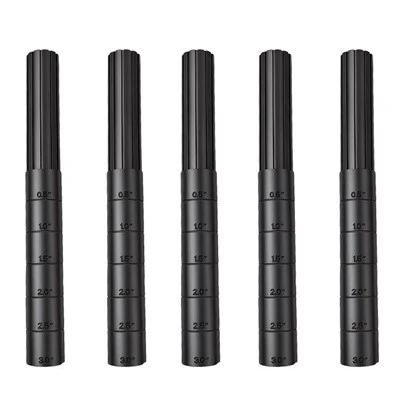
If you’re a course manager looking to outfit your club or your players with high-quality ball markers, or if you’re an individual golfer who wants a reliable marker for your bag, I’m here to help. We offer custom designs, bulk pricing, and products built to last through thousands of rounds. Whether you need markers with your club’s logo, a unique design for your personal use, or just a reliable, affordable option, we can work with you to find what you need. To learn more about our products and to start a conversation about what your business or personal needs are, reach out to our team today. We’re always happy to answer questions, offer advice, and help you get the right tools for the course.
Golf Score Board References
- United States Golf Association. (2021). Green Surface Integrity: Effects of Pitch Mark Damage and Repair. USGA Green Section Research.
- The R&A. (2023). Rules of Golf: Ball Markers and Pitch Mark Repair. The R&A Governing Body of Golf.
- Canadian Golf Superintendents Association. (2022). Course Maintenance Report: Pitch Mark Damage and Preventive Practices. CGSA Annual Industry Survey.
Shenzhen Shuran Sports Equipment Ltd.
As one of the most professional ball markers manufacturers and suppliers in China, we have world-leading production equipment and strong manufacturing capabilities. Please rest assured to buy discount ball markers made in China here from our factory. Customized orders are welcome.
Address: No.10, Yanghua Road, Tuyang Village, Kuichong Town, Longgang District, ShenZhen City, Guangdong Province, China
E-mail: Regor@shuransports.com
WebSite: https://www.shuransports.com/
