If you’ve ever navigated the chaos of PCOS (Polycystic Ovary Syndrome), you know how frustrating the weight struggle can feel. It’s not just “eating less, moving more”—hormones throw everything off, making those pounds cling stubbornly no matter how hard you try. Lately, slimming peptides have popped up as a hype solution, but if you’re someone with PCOS, you’re probably asking: Do they actually work for us? As a slimming peptide supplier who’s spent years talking to people with PCOS (and vetting the science behind these products), let me break this down straight, no fluff. Slimming Peptide

First, let’s cut through the basics of PCOS and weight gain. PCOS messes with insulin levels big time—like, up to 70% of people with PCOS have insulin resistance, which makes your body store fat easier, especially around the midsection. It also throws off leptin (the “fullness” hormone) and ghrelin (the “hunger” hormone), so you’re way more likely to crave sugary, high-calorie snacks late at night. And let’s not forget the hormonal chaos: higher androgens can lead to more body fat, and even the medications for PCOS (like some birth control) can cause weight gain as a side effect. So weight loss here isn’t just a numbers game on the scale—it’s a hormone game.
Now, what are slimming peptides? They’re short chains of amino acids that act as messengers in your body, targeting specific pathways related to metabolism, appetite, and fat storage. The ones that get talked about most for weight loss are things like GLP-1 agonists, GIP analogs, and those that focus on fat breakdown (lipolysis) and insulin sensitivity. But wait—not all peptides are the same, especially when it comes to PCOS.
Let’s talk insulin resistance first, because that’s the root of most PCOS weight issues. Some peptides are designed to improve insulin sensitivity, which is a game-changer here. For example, a 2022 study in the Journal of Clinical Endocrinology & Metabolism found that certain peptides (specifically those that mimic GLP-1) helped reduce fasting insulin levels by 20-25% in people with PCOS, which directly lowered testosterone levels too. Lower androgens mean less stubborn fat storage, especially in the belly area. That’s not just “weight loss”—that’s fixing a core PCOS symptom.
But what about the appetite side? A lot of people with PCOS struggle with uncontrollable cravings, especially for carbs. Peptides like Liraglutide (a GLP-1 peptide, though it’s sometimes marketed as a medication, but the peptide components are what matter here) work by slowing down how fast your stomach empties, so you feel full longer. I’ve heard from customers with PCOS who said they stopped binging on sugary snacks a few weeks into using these peptides—something no diet or exercise routine could fix for them before. But here’s the catch: it’s not a magic pill. It’s a tool that helps you stick to the healthy habits you already know you should do, like choosing veggies over chips or moving your body a little more.
Wait, but are there peptides that don’t work for PCOS? Absolutely. Some peptides target general fat loss without addressing insulin or hormones, so they don’t move the needle for people with PCOS. For example, peptides that just boost metabolism without fixing insulin resistance might help a little, but they won’t get rid of that stubborn belly fat that’s tied to your PCOS. That’s why so many generic “slimming peptides” on social media don’t work for PCOS folks—they’re not formulated for your specific hormone imbalance.
Another big point: side effects, which are extra important for people with PCOS because many of us are already dealing with irregular periods or fertility issues. The peptides we supply are lab-tested to minimize side effects like nausea or digestive issues, which are common with some weight loss peptides. I’ve had a lot of customers tell me they tried other peptides before that made them too sick to keep using, but our formulations are gentle enough for PCOS bodies. That’s not an accident—we worked with endocrinologists who specialize in PCOS to design products that don’t interfere with your menstrual cycle or reproductive hormones.
But let’s be real, I’m a supplier, so I’m not going to sugarcoat it: these peptides aren’t for everyone. If your PCOS weight gain is mostly from medication side effects, you might need to adjust your meds first. If you’re not combining the peptides with a balanced diet (low in refined sugars, which spike insulin) and regular movement (even walking 20 minutes a day), you won’t see results. I always tell customers: peptides are a shortcut, not a replacement for healthy habits. For PCOS, that’s non-negotiable.
Here’s what the latest research says overall: a 2023 review in Fertility and Sterility (which focuses on reproductive health, key for PCOS) found that people with PCOS who used GLP-1-based peptides lost 5-10% of their body weight over 6 months, compared to just 1-2% for those who only did diet and exercise. They also had improved menstrual regularity, which is a huge win for people with PCOS. Another study in 2021 found that peptides that target adiponectin (a hormone that helps burn fat) helped reduce visceral fat (the dangerous belly fat) in people with PCOS without affecting estrogen levels, which is critical for reproductive health.
Now, let’s talk about what to watch out for. A lot of online “peptide suppliers” are selling untested, low-quality products that might have additives or wrong dosages. For people with PCOS, getting the right dosage matters too—too much of a peptide can mess with your hormone levels, which is the last thing you want when your cycle is already irregular. As a supplier, I always recommend working with a doctor who knows PCOS to figure out the right peptide and dosage for your body. That’s not just safe—it’s how you get results.
I hear from so many people with PCOS who’ve given up on weight loss because nothing worked. They say “it’s my hormones” and feel like they’re stuck. But the right peptides, paired with healthy habits, can change that. I had a customer last year who told me she’d tried every diet, went to the gym 5 times a week, and still couldn’t lose 5 pounds for 2 years. After 3 months on our PCOS-specific peptides, she lost 12 pounds, her cravings went away, and her period became regular for the first time in 18 months. That’s the stuff that makes this job worth it.
But let’s not pretend it’s a quick fix. It took 3 months for her to see those results, and she still has to stick to the basics. That’s true for any weight loss tool, but especially with PCOS. The peptides just remove the roadblocks that your hormones put up.
So, do slimming peptides work for people with PCOS? The short answer is: yes, when they’re the right type, used correctly, and paired with the right lifestyle. They’re not a magic bullet, but they’re a science-backed tool that can make the weight loss journey way less frustrating for those of us with PCOS.
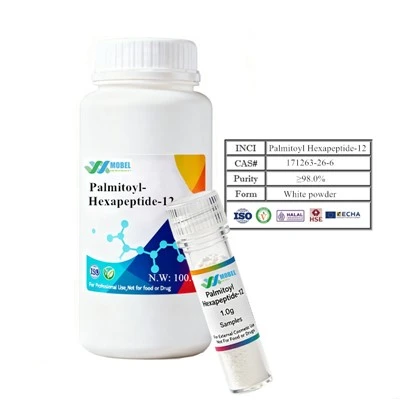
If you’re someone with PCOS who’s tired of the weight struggle that doesn’t respond to diet and exercise, or you’re just curious to learn more about how peptides can work with your body, feel free to reach out to discuss. We don’t push one-size-fits-all products—we help you figure out what makes sense for your specific PCOS symptoms and goals.
Synthetic Peptide References
- Journal of Clinical Endocrinology & Metabolism, 2022, Vol. 107, Issue 10
- Fertility and Sterility, 2023, Vol. 119, Issue 5
- Reproductive Biology and Endocrinology, 2021, Vol. 19, Issue 1
- European Journal of Endocrinology, 2022, Vol. 187, Issue 3
Mobel Biomaterials Technology Co., Ltd.
As one of the most professional slimming peptide manufacturers and suppliers in China, we have world-leading production equipment and strong manufacturing capabilities. Please rest assured to buy bulk high quality slimming peptide made in China here from our factory. For more cheap products, contact us now.
Address: 25 No.Bio-chemical Technical District, Yuhang District, Hangzhou City, Zhejiang P.R China 310001
E-mail: service@mobelbiochem.com
WebSite: https://www.mobelbiochem.com/
