Hey there, let’s cut right to the chase if you’re here—you’re either a brand new small shop owner testing out moxa wool, a seasoned practitioner restocking, or maybe someone who’s just heard about this stuff for the first time and wants to figure out what a fair price actually is. As someone who’s been a moxa wool supplier for over 8 years, I’ve lost count of how many emails I get asking, “what’s the price range?”, and it’s never a straight, one-number answer. Let’s break this down like we’re chatting over a coffee, no jargon, no weird AI hoops—just real stuff that actually affects what you’ll pay. Moxa Wool
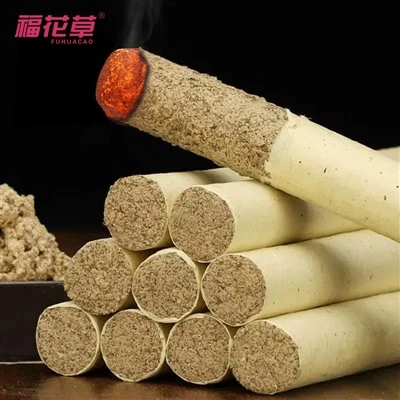
First, let’s get the basics out of the way: moxa wool isn’t a one-size-fits-all product. Yeah, it’s basically the downy fuzz from mugwort leaves, but how it’s grown, harvested, aged, and processed makes a world of difference. That’s why the price range jumps so much—you could pay $5 for a tiny bag from a random online shop, or $50+ for a high-grade batch for clinical use. Let’s start with the tiers, because that’s how I categorize what we stock, and how most other reputable suppliers work.
The entry-level stuff—let’s call it “grade C moxa wool”—is the cheapest. This is usually made from younger mugwort leaves, often grown with synthetic fertilizers and pesticides (we don’t do this, by the way, but I see it everywhere). The harvesting process here is super rushed: they just strip the leaves, beat em up, sift out the big stems once, and that’s it. The resulting wool is full of leaf bits, sticks, and that harsh, bitter smoke that makes your eyes water half the time. You’ll see this going for $2 to $5 for a 100g bag (that’s about 3.5 oz, for my US folks). At this price, it’s tempting, but fair warning—this stuff barely burns evenly, and you’re getting way less actual usable moxa per bag because of all the junk. I once had a customer buy a bunch of this from a big box health site, end up sending it back because “it stinks too much and burns too fast.” It’s fine if you’re just messing around at home as a hobby, but don’t use it for any actual treatment.
Next up, the middle tier—grade B, what most mid-range health shops and small practitioners use. This is where you start seeing quality that’s actually worth the money. Grade B uses mature mugwort, usually organically grown (or at least with fewer chemicals—no harsh pesticides, anyway), harvested by hand instead of machine. The processing is way more thorough: they dry the leaves slowly in the shade (not under direct sun, which kills a lot of the beneficial compounds), then beat and sift the wool multiple times to get rid of all the stems, leaf veins, and grit. The result is a much softer, smoother wool, with a milder, less acrid smoke, and it burns way more evenly. A 100g bag of grade B moxa wool usually runs $8 to $18. That’s a big jump from grade C, but if you’re using this regularly for treatments, it’s a no-brainer. I’ve had a client who runs a small acupuncture clinic tell me switching from grade C to grade B cut their moxa waste by almost 30%—they weren’t wasting half the roll because of all the uneven burning.
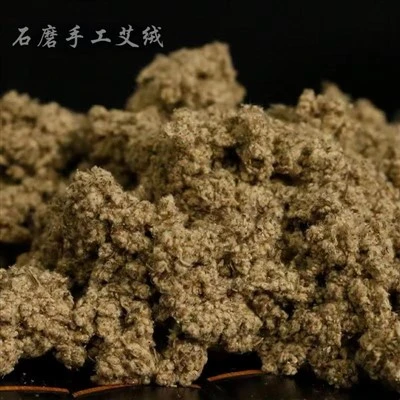
Now, the top tier—grade A, which is what we specialize in here. This is the stuff for serious practitioners, licensed acupuncturists, people who’ve been using moxa for years, or anyone who wants the most effective product possible. Grade A uses aged mugwort—wait, hold on, that’s a big point a lot of suppliers skip. We age our moxa for at least 3 years, some batches go 5, because fresh moxa has way more of those harsh, volatile compounds that cause irritation. Aging mellows that out, makes the smoke much gentler, and actually makes the active ingredients (the ones that help with pain, circulation, etc.) more potent. The mugwort here is 100% organic, grown on small family farms in regions with the right climate (Sichuan is where a lot of high-grade moxa comes from, but we work with two small farms there and in northern China to make sure it’s sustainable). Processing for grade A is super meticulous: hand-harvested only the top leaves of the plant (the most potent part), dried in temperature-controlled barns, then sifted 8 to 10 times over weeks to get rid of every single piece of stem or grit. The wool is so soft it feels almost like lint, no weird fibrous bits, and it burns slow and steady. A 100g bag of our grade A moxa wool is $25 to $40. Yeah, that’s pricey, but let’s do the math: that 100g will make about 40 large moxa rolls, vs. grade C which might make 25 rolls and burn through twice as fast. Over a month, you’re actually saving money with the top tier.
Wait, I should also mention the packaging and quantity, because that affects the price too. If you buy in bulk, obviously it’s cheaper. For example, a 1kg (2.2lb) bag of grade B might be $60, which works out to $6 per 100g—way better than buying 10 individual 100g bags for $12 each (that’d be $120 total). Grade A bulk: a 1kg bag is $200, vs. 10 individual 100g bags for $350, so a huge discount there. We offer bulk deals for clinics and resellers, too—if you’re buying 5kg or more, we knock another 5% off, no fine print. Also, pre-rolled moxa sticks are different, right? People often mix that up. A pack of 10 pre-rolled sticks (each about 20cm long) might be $10 to $30, depending on the grade—our grade A sticks are $28 for 10, vs. grade C sticks which are $10. The sticks from higher grade moxa burn twice as long, so that’s another way to save long term.
Now, what factors make the price go up or down that I don’t see most blogs talking about? First, authenticity. A lot of cheap moxa online is actually blended with cotton, bamboo, or even cardboard fiber to bulk it up. That’s why it’s so cheap—you’re not paying for actual moxa, just filler. We test every batch to make sure there’s no foreign material, so you’re getting 100% pure wool, no cuts. Second, labor. Hand-harvesting and sifting is way more work than machine processing, so that adds to the cost, but it’s worth it—machine processing breaks down the moxa fibers, makes them weaker and burn faster. Third, sustainability. We work with farms that don’t use harsh chemicals, and we don’t waste any part of the plant—any leftover stems go to make natural fertilizer, not trash. That’s a big reason our grade A is more expensive, but it’s ethical, too.
I’ve seen so many people get burned (pun intended) by going for the cheapest moxa. Last year, a woman reached out to me saying she’d bought moxa off Amazon for $3 a bag, and it left burn marks on her skin because it had those big gritty bits. We sent her a sample of our grade B, and she came back a week later ordering 10 1kg bags—said it was the first time she’d used moxa without any irritation. That’s the difference between cheap junk and actual quality.
Wait, should I break it down for different uses? That might help. If you’re a hobbyist doing moxa at home once a week, grade B is perfect—$8 to $18 for 100g will last you 2 or 3 months. If you’re a clinic doing 10 to 15 treatments a day, grade B bulk or even grade A bulk if you want the extra potency is the way to go. If you’re making skincare products that use moxa extract or wool, the grade might depend on your brand—if you’re selling a premium product, go with grade A, if you’re mid-range, grade B works.
A quick note on what to avoid. If a supplier is advertising 100% pure moxa for under $3 for 100g, it’s probably not pure. Too good to be true? It is. Also, avoid moxa that smells like grass or dirt—good moxa has a warm, earthy, slightly sweet scent, not a bitter, chemical-y smell.
At the end of the day, the price range for moxa wool is roughly $2 to $40 per 100g, split into those three tiers, with bulk discounts cutting that per-100g price by 30% to 50%. The sweet spot for most people is grade B, around $8 to $18 per 100g, because it balances quality and cost. Grade A is for when you need the best, grade C only if you’re just testing and don’t care about quality.
Moxa Sticks If you’re ready to order, or have more questions—whether you need a custom bulk quote, want samples to test, or just want to talk about which grade is right for your use, hit us up. No pressure, no salesy tricks, just real answers about moxa that works.
References
- World Health Organization. (2019). Western Pacific Regional Office Guidelines for Acupuncture and Moxibustion. WHO Press.
- Liu, Y., et al. (2021). "Aging effects on chemical constituents and therapeutic properties of Artemisia argyi (mugwort) for moxibustion." Journal of Ethnopharmacology, 275, 114129.
- Mugwort Growers Association of Sichuan. (2022). Sustainable Practices for Medicinal Mugwort Production. Local Agricultural Publication.
- American Acupuncture Association. (2023). "Quality Standards for Moxa Products Used in Clinical Practice." AAE Clinical Guidelines.
Jiaxing Yuanfan Imp. & Exp. Co., Ltd.
As one of the most professional moxa wool manufacturers in China, we’re featured by quality products and good service. Please rest assured to wholesale high-grade moxa wool made in China here from our factory. Contact us for quotation.
Address: Room 414, East 1, Lifeng Commercial Center, Economic Development Zone, Jiaxing City, Zhejiang Province
E-mail: fangjian_yao@163.com
WebSite: https://www.yuanfanmugwort.com/
