If you’ve ever picked up a low-sugar yogurt that still tastes creamy and sweet, a sugar-free energy drink that doesn’t leave a bitter aftertaste, or a whole-grain cookie that satisfies your craving without spiking your blood sugar, you’ve experienced the work of sweeteners as food additives. As someone who’s spent the last 12 years sourcing, testing, and delivering these ingredients to food and beverage manufacturers, I get asked this question all the time: these aren’t just sugar substitutes for people cutting calories—they do a lot more than add sweetness to the products we eat every day. Let’s break down their real functions, the science behind them, and why they’re non-negotiable for so many food producers today. Food Additives
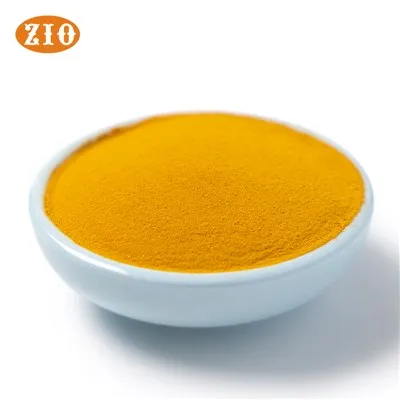
First, let’s start with the most obvious, but often misunderstood, function: caloric and glycemic control. Regular table sugar (sucrose) has 4 calories per gram, and it breaks down quickly into glucose, which causes blood sugar levels to spike. For people with type 2 diabetes, pre-diabetes, or anyone watching their calorie intake for weight management, that’s a big problem. But not all sweeteners work the same here. For example, stevia leaf extract, which we supply to several craft soda brands, is 200 to 300 times sweeter than sugar but has almost no calories because it passes through the human digestive system without being broken down. Then there’s erythritol, a sugar alcohol that’s 70% as sweet as sugar with only 0.2 calories per gram—perfect for protein bars that need to taste indulgent without adding excess empty calories.
I remember a few years ago, a small bakery client came to us panicking. Their line of low-sugar muffits was selling poorly because customers said they tasted “bland” and “like cardboard.” They were using only a blend of fiber and a tiny bit of honey to cut sugar, but that didn’t deliver the same sweet, slightly caramelized flavor consumers expected. We suggested a blend of erythritol and monk fruit extract—balance the sweetness so it hit the same taste notes as sugar, but with a fraction of the calories. Within three months, their muffin sales jumped 40% because customers didn’t have to compromise on taste for lower sugar. That’s the first real function: helping food manufacturers meet the growing demand for healthier products without sacrificing the sensory experience people love.
Next, textural and structural properties that sugar alone can’t always provide. A lot of people don’t realize that sugar does more than sweeten—it’s a structural building block in baked goods, frozen desserts, and even canned fruits. It helps yeast rise properly in breads, traps air in cake batters to make them light and fluffy, and prevents ice crystals from forming in ice cream. When you replace sugar with traditional sweeteners, you can lose those textural benefits unless you choose the right type. That’s where the expertise our team brings comes in. For example, we supply inulin, a prebiotic sweet fiber that’s also mildly sweet (about 10% as sweet as sugar) and acts as a bulking agent. In chocolate chip cookies, it adds the same density and chewier texture as sugar, while also adding fiber—something plain sugar substitutes can’t do.
I worked with a frozen dessert maker last year that was trying to launch a no-sugar ice cream line. At first, they tried only using stevia, but the ice cream turned icy and crumbly because stevia doesn’t hold water the way sugar does. We recommended a blend of erythritol and locust bean gum (a natural thickener that works well with sweeteners) to stabilize the water molecules and prevent large ice crystals from forming. The result was an ice cream that tasted just as creamy as their full-sugar version, with less than 1 gram of sugar per serving. That’s the textural function sweeteners bring: they extend beyond flavor to make products feel good in your mouth, not just taste good.
Another critical function is shelf life extension and stability. Sugar is a natural preservative, right? It binds with water in food, making it harder for bacteria, yeast, and mold to grow. If you remove too much sugar, your product can spoil faster, which is a huge problem for manufacturers looking to get their goods on store shelves nationwide or internationally. Certain sweeteners act as preservative alternatives that don’t add excess calories or sugar. For example, sugar alcohols like sorbitol and mannitol are hygroscopic, meaning they absorb moisture, which inhibits microbial growth. I had a client making sugar-free hard candies who was throwing out 15% of their batch because they were molding before the sell-by date. Adding a small amount of xylitol (another sugar alcohol) solved that problem—xylitol binds water so tightly that bacteria can’t survive, extending shelf life by an extra two weeks without changing the candy’s sweet taste. It’s a small adjustment that saved them thousands of dollars in waste each month.
Then there’s flavor enhancement and flavor balancing, which is one of my favorite parts of working with sweeteners. A lot of people assume sweeteners just add sweetness, but they can fix off-flavors too. For example, fruit-based products often have tart or sour notes that can be overwhelming without sugar, but using a well-calibrated sweetener blend can round out those notes to make the flavor taste more natural. I had a juice client a few years ago that was making organic low-sugar apple juice. The problem was that when they cut back on added sugar, the juice tasted sharp and sour, like unripe apples. We suggested a blend of monk fruit and a small amount of stevia that balanced the tartness without adding any artificial aftertaste, and we even added a tiny bit of concentrated apple juice to boost the natural fruit flavor. The result was a juice that tasted just as rich and balanced as their full-sugar version, but with 50% less added sugar. Sweeteners don’t just add sweet—they make other flavors in food shine.
There’s also the function of helping to reduce overall added sugar content in products, which is a huge consumer trend right now. Over the past 10 years, regulatory bodies around the world (like the FDA and EFSA) have made it clearer than ever how much added sugar is in products, and consumers are paying attention. A 2023 survey by the International Food Information Council found that 78% of adults try to limit their added sugar intake, and 62% check food labels for added sugar before buying. Sweeteners make it possible for manufacturers to market products as “low sugar,” “no added sugar,” or “sugar free” without forcing consumers to give up sweet taste. As a supplier, we work with everything from bulk sugar alcohols to natural high-intensity sweeteners, tailored to each client’s specific product and target market. For example, a protein bar brand targeting athletes might want stevia because it has zero calories and works well in nut-based flavors, while a baby food brand needs sweeteners that are derived from natural sources like fruit juice concentrates or corn syrup solids (in the right amounts) to meet organic and clean label requirements.
I should also touch on a common misconception here: not all sweeteners are created equal, and the best ones are those that work with a product’s goals, not just sweeten it. A lot of people still think sweeteners are artificial or bad for you, but many of the ones we supply are natural, plant-based, and backed by years of safety research. The FDA has approved more than 10 high-intensity sweeteners for use in food, including stevia, monk fruit, and sucralose, and most have GRAS (Generally Recognized As Safe) status. We test every batch of sweeteners we bring in to make sure they meet purity standards, have no residual contaminants, and don’t have off-notes that would ruin a product.
Wait, let’s also talk about functional benefits beyond just food—for people with specific dietary needs. For example, people with phenylketonuria (PKU), a rare genetic condition where the body can’t process phenylalanine (an amino acid found in aspartame), need sweeteners that don’t contain that ingredient. We supply alternative sweeteners like acesulfame potassium (Ace-K) that are safe for people with PKU, so food manufacturers can make products that are accessible to everyone, not just the general population. That’s a big one—sweeteners help make inclusive food products for people with dietary restrictions that would otherwise have no sweet options.
Over the years, I’ve seen the role of sweeteners evolve from “sugar substitutes” to essential food additives that solve multiple problems for manufacturers and consumers. They help control calories and blood sugar, improve texture, extend shelf life, balance flavors, and make products accessible to people with different dietary needs. As a food additives supplier, my job isn’t just to send a bag of sweeteners to a client—it’s to work with them to find the right blend that fits their product’s unique needs, whether that’s a low-sugar cookie, a shelf-stable juice, or a product for people with specific health conditions.
If you’re a food manufacturer looking to reformulate a product, launch a new line with reduced sugar, or just find a sweetener that works for your specific needs, I’m here to help. We have a range of natural and artificial sweeteners, backed by safety testing and technical support, to match your product goals. Let’s connect to talk through your project and find the right solution for you.
Sweeteners References
- U.S. Food and Drug Administration. (2024). Food Additives & GRAS Notices. Retrieved from FDA.gov
- International Food Information Council. (2023). Food & Health Survey. Retrieved from foodinsight.org
- American Dietetic Association. (2022). Use of Nutritive and Non-Nutritive Sweeteners in the Diet. Retrieved from eatright.org
- European Food Safety Authority. (2021). Safety of Sugar Alcohols as Food Additives. Retrieved from efsa.europa.eu
- National Center for Chronic Disease Prevention and Health Promotion. (2023). Added Sugar Intake in the United States. Retrieved from cdc.gov
Guangzhou ZIO Chemical Co., Ltd.
As one of the most professional food additives manufacturers and suppliers in China, our products have good reputation in the market. With abundant experience, we warmly welcome you to buy bulk food additives for sale here and get free sample from our factory. For price consultation, contact us.
Address: 5th Floor, Building 1A, Runnong Business Center, No.2 Huangcun Road, Dongpu Town, Tianhe District, Guangzhou
E-mail: alice.liu@gzzio.com
WebSite: https://www.zio-ingredients.com/
