Vintage furniture holds a unique allure that transcends time. It tells stories of eras past, offering a blend of craftsmanship, style, and history that modern pieces often lack. As a furniture supplier deeply entrenched in the world of vintage furniture, I’ve had the privilege of working with a wide array of materials that contribute to the charm and character of these timeless pieces. In this blog, I’ll delve into the materials commonly used in vintage furniture, exploring their properties, historical significance, and why they continue to captivate collectors and enthusiasts alike. Furniture
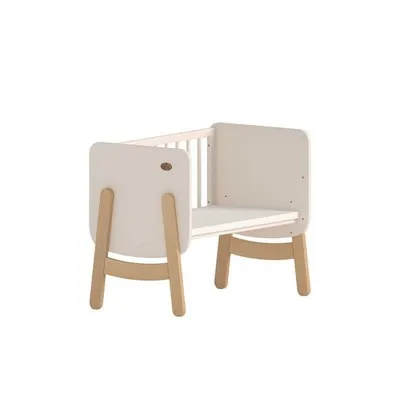
Wood: The Foundation of Vintage Furniture
Wood has been the cornerstone of furniture making for centuries, and vintage furniture is no exception. Different types of wood have been favored in various periods and regions, each with its own distinct characteristics.
- Oak: Renowned for its strength and durability, oak has been a staple in furniture making since medieval times. Its prominent grain pattern adds a touch of rustic elegance, making it suitable for a wide range of styles, from traditional to contemporary. In the 18th and 19th centuries, oak was commonly used for large, sturdy pieces such as dining tables, cabinets, and chairs.
- Mahogany: Considered one of the most luxurious woods, mahogany gained popularity in the 17th century and remained a favorite among furniture makers well into the 20th century. Its rich, reddish – brown color and fine, even grain make it ideal for creating high – end, sophisticated furniture. Mahogany was often used for elaborate pieces like Chippendale and Queen Anne style furniture, showcasing the craftsmanship of the era.
- Walnut: Walnut is known for its warm, chocolate – brown color and beautiful, swirling grain patterns. It was a popular choice in the 17th and 18th centuries, particularly in England and America. Walnut furniture is often associated with a more refined and elegant style, and it was commonly used for smaller, decorative pieces such as cabinets, desks, and chairs.
- Cherry: Cherry wood has a smooth, satiny texture and a warm, pinkish – brown color that deepens with age. It was widely used in the 18th and 19th centuries, especially in American furniture. Cherry furniture is often characterized by its delicate details and graceful lines, making it a favorite for bedroom and dining room pieces.
Upholstery Materials
Upholstery plays a crucial role in the comfort and aesthetic appeal of vintage furniture. Different materials have been used over the years, each with its own unique properties.
- Leather: Leather has been used for upholstery since ancient times. In vintage furniture, leather was often used for chairs, sofas, and ottomans. It is durable, easy to clean, and develops a beautiful patina over time. Different types of leather, such as full – grain, top – grain, and bonded leather, were used depending on the quality and style of the furniture. In the 19th and early 20th centuries, leather was often paired with elaborate wood frames to create luxurious and comfortable seating options.
- Fabric: A wide variety of fabrics have been used for upholstering vintage furniture. Silk was a popular choice for high – end pieces in the 18th and 19th centuries, offering a luxurious and elegant look. Velvet, with its soft, plush texture, was also commonly used, especially in Victorian and Art Deco furniture. Cotton and linen were more practical choices for everyday furniture, providing a comfortable and breathable option. Patterns and colors of the fabrics often reflected the style and trends of the era, from floral prints in the Victorian period to geometric patterns in the Art Deco era.
- Haircloth: Haircloth was a common upholstery material in the 19th century. It was made from horsehair or a blend of horsehair and other fibers. Haircloth was known for its durability and firmness, making it suitable for seating. It was often used in combination with other materials, such as leather or fabric, to create a more comfortable and stylish look.
Metals
Metals have been used in vintage furniture for both functional and decorative purposes.
- Brass: Brass is an alloy of copper and zinc, known for its golden – yellow color and resistance to corrosion. It was commonly used in vintage furniture for decorative elements such as handles, knobs, and hinges. Brass accents added a touch of elegance and sophistication to furniture pieces, especially in the Victorian and Art Nouveau styles.
- Iron: Iron is a strong and durable metal that has been used in furniture making for centuries. In vintage furniture, iron was often used for frames, legs, and structural components. Wrought iron, in particular, was popular in the 19th and early 20th centuries, known for its intricate and decorative designs. Iron furniture was often used in outdoor settings, such as gardens and patios, as well as in industrial – style interiors.
- Copper: Copper has a warm, reddish – brown color and is highly malleable, making it suitable for creating decorative elements in vintage furniture. It was often used for inlays, accents, and decorative panels. Copper was also used in combination with other metals, such as brass and iron, to create unique and eye – catching designs.
Other Materials
In addition to wood, upholstery materials, and metals, other materials have been used in vintage furniture to add unique features and characteristics.
- Marble: Marble has been used in furniture making for its beauty and durability. It was often used for tabletops, fireplace surrounds, and decorative accents. Different types of marble, such as Carrara marble, were favored for their white or light – colored appearance and veined patterns. Marble added a touch of luxury and elegance to vintage furniture, especially in high – end pieces.
- Glass: Glass was used in vintage furniture for various purposes, including tabletops, mirrors, and decorative panels. Clear glass was commonly used for tabletops to showcase the underlying wood or other materials. Mirrors were an important feature in vintage furniture, adding depth and light to a room. Stained glass was also used in some styles, such as Art Nouveau and Arts and Crafts, to create colorful and decorative elements.
- Shell: Shells, such as mother – of – pearl and tortoiseshell, were used for inlays and decorative accents in vintage furniture. Mother – of – pearl has a iridescent sheen that adds a touch of luxury and elegance. Tortoiseshell, although now regulated due to conservation concerns, was once used for handles, inlays, and decorative elements in high – end furniture.
Why These Materials Matter

The materials used in vintage furniture are not just a matter of aesthetics; they also contribute to the quality and longevity of the pieces. Wood, for example, provides a solid and stable structure, while upholstery materials offer comfort and style. Metals add strength and decorative elements, and other materials like marble and glass enhance the overall look and feel of the furniture.
Moreover, these materials are a reflection of the craftsmanship and design sensibilities of the era in which the furniture was made. Each material has its own history and cultural significance, and understanding them can provide valuable insights into the evolution of furniture design.
Contact for Procurement
Toys If you’re interested in adding some vintage charm to your space or are looking to source high – quality vintage furniture for your business, I’d love to discuss your needs. As a furniture supplier with a deep understanding of the materials and styles of vintage furniture, I can help you find the perfect pieces to suit your taste and requirements. Whether you’re in the market for a single statement piece or a complete set of furniture, I’m here to assist you. Reach out to me to start a conversation about your procurement needs.
References
- "A History of Furniture" by Victor Chinnery
- "The Encyclopedia of Furniture" by John Gloag
- "Vintage Furniture: Identification and Price Guide" by Judith Miller
Zhejiang Hanhao Industrial Co., Ltd.
Zhejiang Hanhao Industrial Co., Ltd. is one of the most experienced furniture manufacturers and suppliers in China, featured by quality products and good price. Please rest assured to buy durable furniture made in China here from our factory. Also, custom service is available.
Address: No. 1, East Road, Qixing Street, Nanhu District, Jiaxing City, Zhejiang Province, China
E-mail: admin@hanhaofurniture.com
WebSite: https://www.hanhao-furniture.com/
